
An old or damaged car can take up valuable space and become costly to maintain. Sunshine Coast vehicle owners have several options, including selling privately, trading in, repairing, recycling or arranging car removal. The right choice depends on the vehicle's condition, repair costs and current market value. Understanding these options helps owners make a practical decision and avoid unnecessary expenses.
The first step is to check the car's overall condition. A vehicle that looks old may still have valuable parts or a reasonable resale value. However, major mechanical problems can make repairs too expensive.
Start by checking these 5 areas:
Engine condition: Look for unusual noises, oil leaks, overheating and starting problems.
Transmission: Check for slipping gears, delayed shifting or unusual sounds.
Body damage: Inspect dents, rust, accident damage and damaged panels.
Tyres and suspension: Check tyre wear, broken springs and steering problems.
Electrical systems: Test the lights, battery, windows, dashboard and other electrical parts.
These checks provide a clearer picture of the vehicle's condition. They also help owners decide whether repairs or selling make more financial sense.
Repair costs are an important part of the decision. A minor battery or tyre replacement may be affordable. An engine replacement or major transmission repair can cost much more.
Compare the estimated repair bill with the car's current market value. Also consider its age, kilometres travelled and service history.
For example, spending $5,000 on repairs for a car worth $3,000 rarely makes financial sense. Selling the vehicle in its current condition may be a more practical option.
Sunshine Coast car owners have 4 common options for unwanted vehicles: private sales, trade-ins, selling to vehicle buyers and car recycling services. Each option has different costs, requirements and timeframes.
| Selling option | Main benefit | Possible drawback |
|---|---|---|
| Private sale | Access to individual buyers | Takes time and effort |
| Dealership trade-in | Convenient when buying another car | Trade-in value may be lower |
| Car removal service | Suitable for old and damaged vehicles | Offers depend on vehicle condition |
| Vehicle recycling | Recovers useful materials and parts | Not every vehicle has the same value |
Private sales suit vehicles in reasonable condition. However, finding buyers for cars with engine problems, accident damage or missing parts can be difficult.
A dealership trade-in is another option. Dealers often prefer vehicles that are suitable for resale or refurbishment. Older cars with serious mechanical problems may not qualify for attractive trade-in offers.
For vehicles that are no longer economical to repair, cash for scrap cars Sunshine Coast services provide another way to sell unwanted cars. These services assess the vehicle based on its condition, reusable parts and scrap metal value.
Vehicle owners can also compare local buyers before making a decision. A clear description of the car helps businesses provide more accurate estimates.
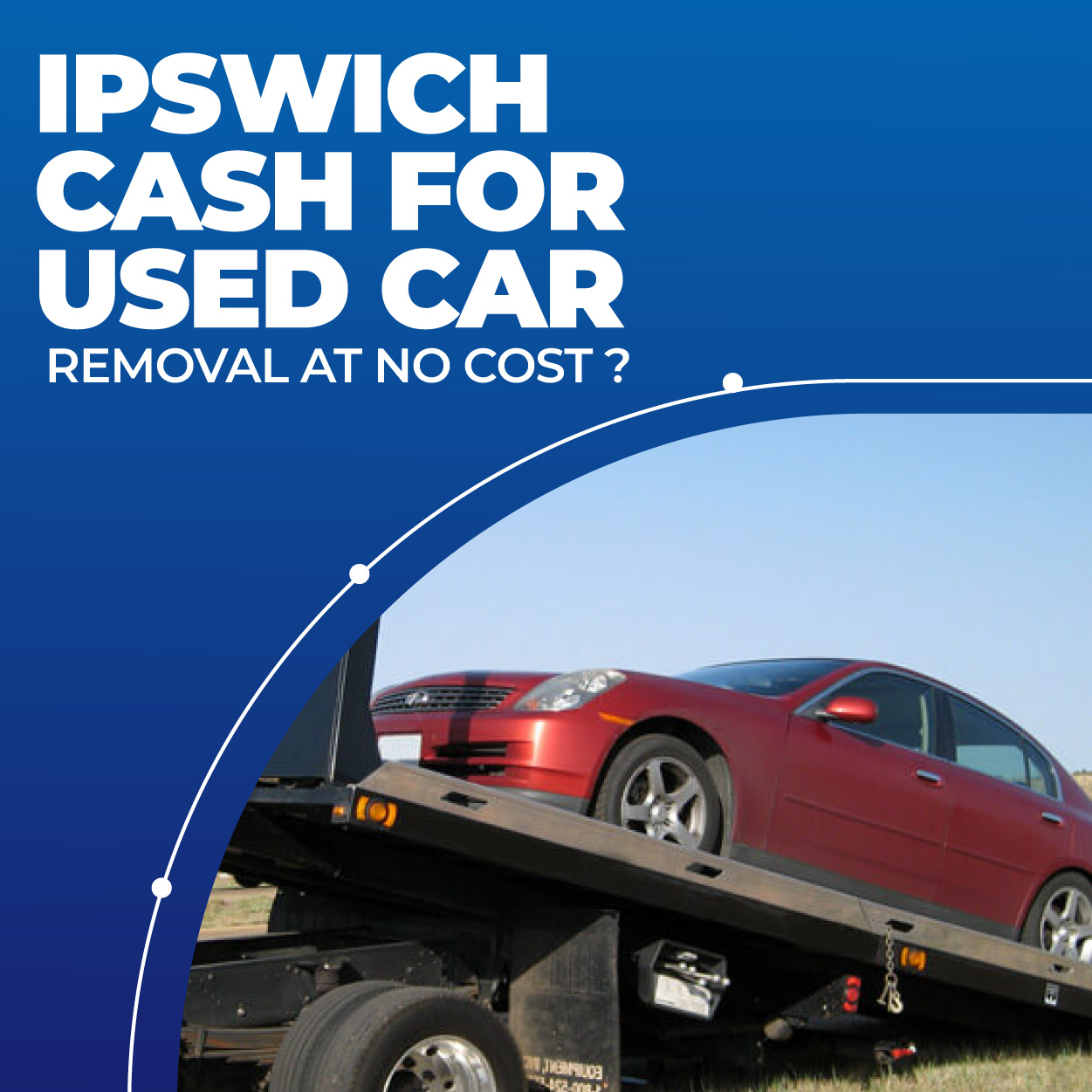
Car removal is useful when a vehicle is no longer suitable for everyday driving. It also helps owners who have limited space or cannot arrange transport for a damaged car.
Common examples include:
Cars with damaged engines or transmissions.
Vehicles involved in serious accidents.
Unregistered cars that have been sitting unused.
Old vehicles with extensive rust.
Cars with expensive mechanical faults.
Vehicles that have been written off.
The vehicle does not always need to be running to have value. Reusable components and recyclable materials can still make an old car useful.
Finding a suitable buyer is an important part of selling an unwanted vehicle. A1 Wreckers provides a local option for Sunshine Coast owners who want to sell old, damaged, scrap or unwanted cars.
The company focuses on vehicle purchasing and removal, giving owners an alternative to private advertising. Its service is relevant to people who have cars that are difficult to sell through traditional channels.
A1 Wreckers is also worth considering when a vehicle has mechanical problems or no longer runs. Owners can provide the vehicle details and condition to request an assessment. This makes it easier to understand the available selling options before arranging removal.
Choosing a buyer that handles both vehicle assessment and collection can reduce the work involved in disposing of an unwanted car. Learn more: https://www.a1wreckers.com.au/
Car removal involves collecting an unwanted vehicle from its current location. The vehicle is then assessed for reusable components, repair potential and recyclable materials.
The process generally includes 5 stages.
The owner provides basic details about the car. These include its make, model, year, location and condition.
Information about accident damage, engine faults and missing parts also helps with the assessment.
The buyer reviews the vehicle details and estimates its value. The assessment considers several factors, including:
Vehicle make and model.
Manufacturing year.
Overall condition.
Engine and transmission condition.
Reusable mechanical parts.
Scrap metal weight.
Demand for replacement parts.
A complete vehicle with reusable components may have a different value from a heavily damaged shell.
The buyer provides an offer based on the available information. The owner can review the amount and ask questions about the assessment.
It is useful to confirm whether the quoted price includes collection and whether any extra charges apply.
Once the offer is accepted, a collection time is arranged. A suitable tow truck or vehicle transporter collects the car.
Owners need to make sure the vehicle is accessible. They also need to disclose any issues that could affect loading, such as locked wheels or a car stuck in a difficult location.
After collection, the vehicle may be inspected for reusable parts. Components such as alternators, doors, engines, wheels and radiators can have value.
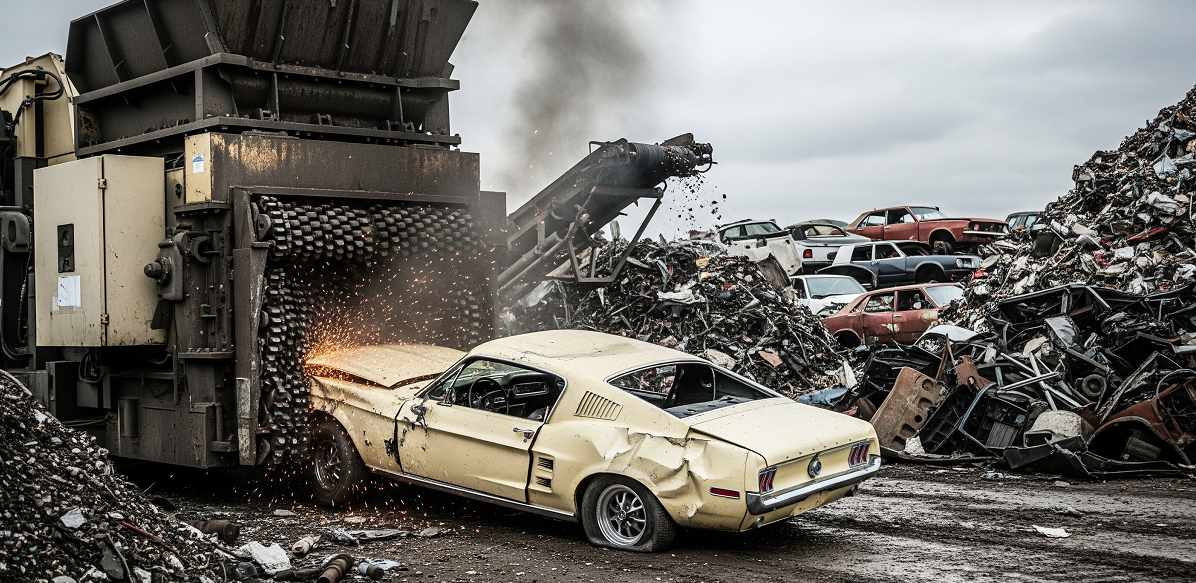
Parts that cannot be reused may enter suitable recycling processes. This reduces the amount of material that goes to waste.
Old vehicles contain many components that remain useful after the car stops working. Professional dismantling helps recover these parts and gives them another purpose.
Car Wreckers Sunshine Coast businesses assess vehicles for reusable components before sending unsuitable materials for recycling. This process supports the supply of second-hand automotive parts and reduces unnecessary waste.
Several vehicle components retain value even when the car is no longer roadworthy.
| Vehicle component | Potential use |
|---|---|
| Engine | Rebuilding or replacement |
| Gearbox | Replacement in compatible vehicles |
| Alternator | Electrical system repairs |
| Starter motor | Engine starting repairs |
| Doors and panels | Body repairs |
| Wheels and tyres | Suitable replacement parts |
| Radiator | Cooling system repairs |
| Mirrors and lights | Exterior replacements |
The condition of each component affects its resale value. Parts with less wear and no major damage are generally more useful.
Vehicle recycling reduces the demand for newly manufactured raw materials. It also helps recover metals such as steel, aluminium and copper.
These materials can enter other manufacturing processes after suitable treatment.
Responsible vehicle dismantling also involves handling fluids and hazardous components carefully. Engine oil, coolant, brake fluid, batteries and fuel require proper storage and disposal.
Leaving these materials to leak into soil or drains creates environmental risks. Proper processing helps reduce these risks.
Preparing a vehicle before collection makes the process easier. It also helps prevent the loss of personal belongings and important documents.
Follow these 6 steps before handing over an unwanted car.
Remove personal belongings: Check the glove box, boot, door pockets and under the seats.
Collect important documents: Keep your service records, registration papers and ownership details.
Remove personal number plates if required: Follow the relevant Queensland registration cancellation requirements.
Check the vehicle's contents: Remove tools, child seats, toll tags and other personal items.
Explain the vehicle's condition: Mention flat tyres, missing parts, accident damage or mechanical faults.
Confirm collection arrangements: Check the collection time, location and agreed payment.
Vehicle owners also need to consider registration responsibilities. In Queensland, the correct process depends on whether the vehicle is being sold, transferred or disposed of.
For a registered vehicle, check the applicable Transport and Main Roads requirements. Keep records of the transaction and complete any required registration cancellation or transfer steps.
If the car has been declared a write-off, additional reporting requirements may apply. Its written-off status also affects whether it can return to the road.
The value of an unwanted car depends on more than its age. Buyers consider the condition of its major components, the demand for replacement parts and the amount of recyclable material.
Here are 6 important factors.
Some vehicle models have stronger demand for second-hand parts. Popular Australian vehicles may have components that suit a wider range of buyers.
Older vehicles often have lower resale values. However, their parts and metal components may still have a useful value.
A working engine and gearbox can increase a vehicle's value. Serious mechanical faults can reduce the amount offered.
The location and extent of accident damage matter. A damaged bumper is different from major structural damage.
Working electrical parts, body panels, wheels and mechanical components can add value.
The amount and type of recoverable metal also influence the final assessment. Market conditions can affect the value of these materials.
Providing accurate vehicle information helps buyers make a fairer assessment. Clear photographs also help explain visible damage before an inspection or collection.
Selling an old vehicle can become difficult when important details are overlooked. A few simple precautions help prevent common problems.
Accepting the first offer: Compare suitable buyers before making a decision.
Hiding mechanical problems: Disclose known faults and accident damage.
Ignoring collection costs: Confirm whether towing or removal fees apply.
Leaving personal items inside: Check the entire vehicle before collection.
Forgetting registration responsibilities: Complete the required Queensland paperwork.
Choosing an unclear payment arrangement: Confirm the payment method and agreed amount before handing over the vehicle.
It is also useful to keep a record of the buyer's details and collection arrangements. Clear communication protects both parties and makes the transaction easier to manage.
An old or damaged car does not always need expensive repairs or a private sale. Sunshine Coast owners can compare repair costs, trade-in offers, private buyers and vehicle removal services before choosing the right option.
Car recycling also gives reusable components and valuable materials another purpose. Preparing the vehicle, providing accurate details and completing the required paperwork makes the process easier.
For owners looking to sell an unwanted vehicle, A1 Wreckers offers a relevant option for car purchasing and removal on the Sunshine Coast. Comparing the available options helps owners make an informed decision based on their vehicle's condition and needs.