
Selling an old car can sometimes feel like a difficult task, especially when the vehicle has high kilometres, mechanical problems, cosmetic damage, or has simply reached the end of its useful life. Many car owners wonder whether they should sell privately, trade the vehicle in, repair it before selling, or contact a professional car buyer.
The best option depends on several factors, including the vehicle's condition, age, market demand, estimated value, and how quickly you want to complete the sale. For many owners, working with a professional vehicle buyer can provide a straightforward alternative to the traditional private-sale process.
If you have an unwanted vehicle sitting in your driveway, garage, or property, understanding your selling options can help you make a more informed decision and avoid unnecessary time and expenses.
There are many reasons why a car owner may decide to sell an old vehicle. Some cars become expensive to maintain as they age, while others may no longer be practical for the owner's lifestyle.
A vehicle may also have developed mechanical problems such as engine issues, transmission faults, electrical problems, worn suspension, or other faults that require expensive repairs. In some situations, the cost of repairing an older vehicle may not seem worthwhile compared with its current value.
Some owners simply purchase a newer vehicle and no longer have a reason to keep their old one. Others may have inherited a vehicle, moved to a location where they no longer need it, or have a car that has been sitting unused for a long period.
Whatever the reason, selling an unwanted vehicle can free up valuable space and eliminate the ongoing costs associated with maintaining a car that is no longer being used.
Selling privately can be suitable for certain vehicles, particularly cars that are in good condition and have strong demand in the used-car market. A private advertisement allows the owner to communicate directly with potential buyers and negotiate the selling price.
However, private sales can require considerable time and effort. You may need to photograph the vehicle, prepare an advertisement, respond to enquiries, arrange inspections, organise test drives, negotiate with buyers, and deal with people who may not ultimately purchase the vehicle.
The process can become more complicated when the car has significant damage or mechanical problems. Private buyers often prefer vehicles that are ready to drive, meaning an old or faulty car may take longer to sell.
For owners who value convenience and want to avoid managing multiple enquiries, contacting a professional vehicle buyer can be another option.
Before deciding how to sell your car, take the time to understand its current condition. Consider the exterior, interior, engine, transmission, tyres, electrical systems and overall mechanical condition.
Think about whether the vehicle is currently running and whether it can be safely driven. If it cannot be driven, explain this clearly when contacting potential buyers.
You should also identify any accident damage, rust, missing components, warning lights, mechanical faults, or other significant problems.
Being honest about the vehicle's condition is important. Accurate information allows a potential buyer to assess the car properly and can help prevent disagreements later in the selling process.
The value of an old car is influenced by several factors rather than its age alone. The make, model, year, kilometres, overall condition and demand can all affect its potential value.
A vehicle with a strong service history and good mechanical condition may attract more interest than a similar vehicle that requires significant repairs. Features, specifications, replacement-part availability and the condition of important components can also influence the assessment.
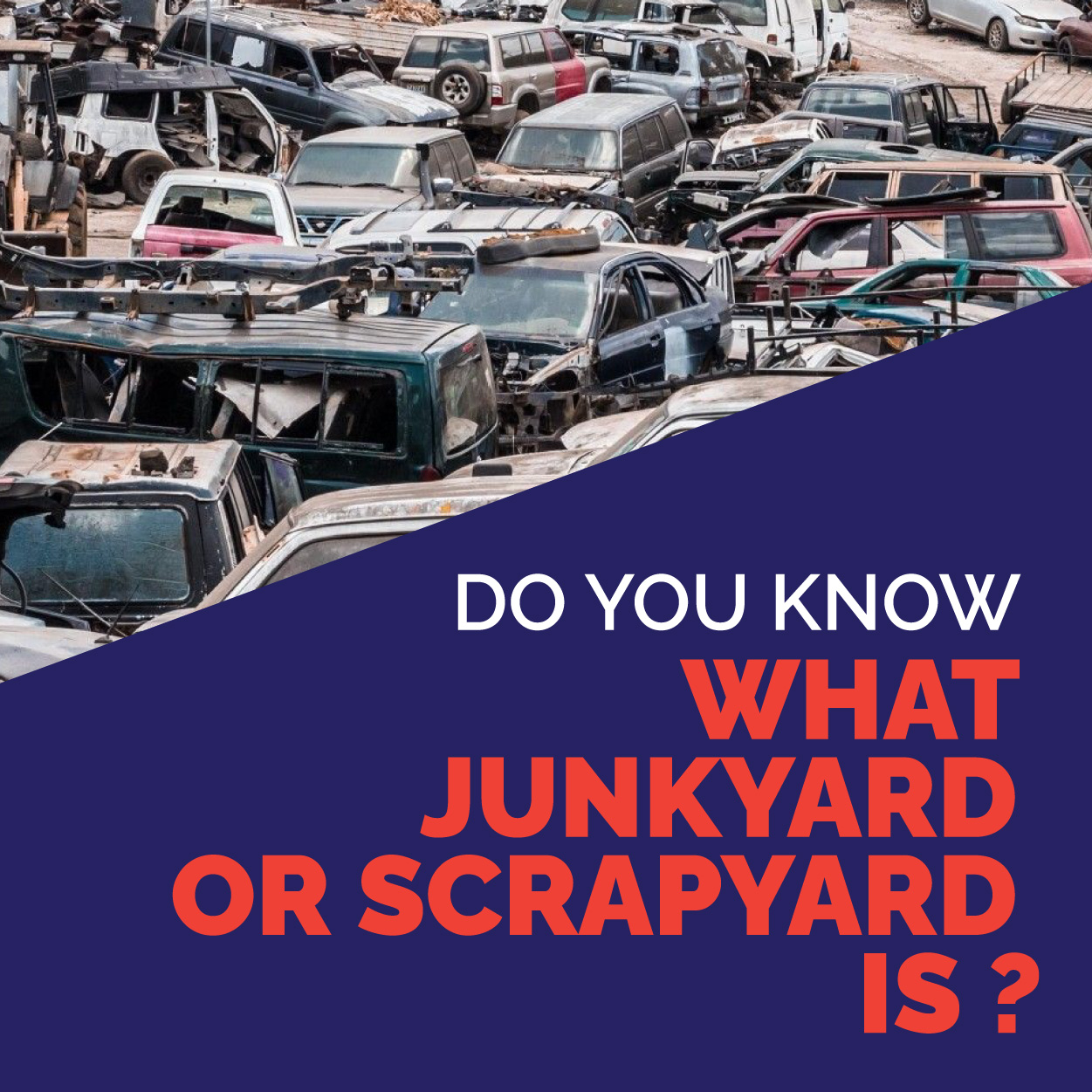
Damage does not automatically mean that a vehicle has no value. Depending on its condition, an unwanted or damaged car may still contain usable components and materials.
It is also important to understand the difference between an advertised price and an actual selling price. Online listings may show what sellers are asking rather than what buyers are ultimately paying.
Obtaining an assessment based on your specific vehicle can therefore provide a more realistic understanding of its potential value.
One common question is whether repairing an old car will increase its selling value enough to justify the expense.
The answer depends on the type and cost of the repairs. Minor improvements such as cleaning the interior, removing personal belongings, washing the exterior, and gathering service records may make the vehicle easier to present.
However, expensive mechanical repairs may not always provide an equivalent increase in selling value. If an older vehicle needs major engine, transmission, suspension, or electrical work, spending a large amount of money before selling may not necessarily be financially beneficial.
Before paying for major repairs, consider obtaining an assessment of the vehicle in its current condition. This allows you to compare the potential cost of repairs with the possible increase in value.
Many people assume that an old car must be roadworthy and running before it can be sold. This is not necessarily the case.
Damaged, accident-affected and non-running vehicles can still have value depending on their condition. Components such as engines, transmissions, body panels, wheels and other usable parts may have value, while recyclable materials can also contribute to a vehicle's overall worth.
The important thing is to provide accurate information about the vehicle. Tell the buyer whether the car starts, whether it can be driven, what damage has occurred, and whether any important components are missing.
A non-running vehicle may also require specialised collection arrangements. Asking about the collection process before agreeing to a sale can help ensure everything is organised properly.
For owners who want to avoid the lengthy private-sale process, a professional car-buying service can provide a simpler alternative.
Instead of creating advertisements and waiting for individual buyers, you can provide information about your vehicle and request an assessment. The buyer can then consider factors such as the vehicle's age, condition, make, model, kilometres and overall value.
This approach can be particularly useful when selling old, unwanted, damaged, accident-affected or non-running vehicles.
When searching for cash for cars Adelaide, it is important to look beyond the advertised offer and understand the complete selling process, including how the vehicle is assessed, whether collection is available, what paperwork is required, and whether there are any additional charges.
Providing accurate vehicle information can make the assessment process easier.
Useful details can include the vehicle's make and model, manufacturing year, approximate kilometres, registration status, general condition and whether the car is running.
You should also mention major mechanical problems, accident damage, missing components or other issues that may affect the vehicle.
Clear photographs can also help provide an initial understanding of the vehicle's condition. Photographs of the exterior, interior, engine area and any visible damage may be useful when requesting an assessment.
The more accurate the information you provide, the easier it is for a buyer to understand what they are potentially purchasing.
The paperwork required when selling a vehicle can vary depending on the circumstances and the buyer's process. It is useful to have relevant ownership and vehicle documents available before starting the sale.
You may need identification, registration information, vehicle-related paperwork, keys, and service records if they are available.
If you have misplaced documents, do not automatically assume that the vehicle cannot be sold. Ask the buyer what documentation is required and what steps may be available for your particular circumstances.
It is important to complete the relevant ownership and transfer requirements correctly and retain records of the transaction.
Before handing over an old car, check the entire vehicle for personal belongings. Look inside the glove box, centre console, boot, door compartments, under seats and other storage areas.
Items such as sunglasses, paperwork, tools, chargers, documents, parking cards and personal accessories are easy to overlook.
If you have connected your phone or personal accounts to the vehicle's infotainment system, remember to remove your personal information and reset the system where appropriate.
Taking a few minutes to prepare the vehicle can make the handover much easier.
There is no single selling method that suits every vehicle owner. A private sale may work well for a desirable vehicle in good condition, while a trade-in may suit someone purchasing another vehicle.
A professional buyer may be more convenient for someone who wants to sell an unwanted vehicle without dealing with multiple private enquiries.
When comparing your options, consider more than the headline price. Think about advertising costs, repair expenses, cleaning, time spent answering enquiries, inspections, negotiations and vehicle collection.
A slightly different offer may provide greater overall convenience if it eliminates several additional costs and tasks.
Research is important before choosing a company to purchase your vehicle. Look for clear business information, accessible contact details and transparent communication.
Customer reviews can provide insight into other people's experiences, although individual reviews should always be considered in context.
You should also ask questions before agreeing to a sale. Find out how the vehicle will be assessed, whether collection arrangements are available, what paperwork is required, and whether any fees or conditions apply.
A professional buyer should be willing to explain the process clearly rather than leaving you uncertain about what happens next.
The process can be straightforward when you prepare in advance.
Start by collecting your vehicle's basic details and assessing its current condition. Gather any available documentation and take photographs if required.
Next, research your available selling options and contact potential buyers for an assessment. Provide honest information about the vehicle, including any mechanical faults, damage or problems.
Once you receive an offer, review the terms carefully. Ask about collection, payment, paperwork and any other conditions before agreeing.
After accepting the offer, complete the required paperwork and ownership procedures, remove your personal belongings, and arrange the vehicle handover.
Following these steps can help make the experience more organised and reduce unnecessary delays.
Keeping an unwanted vehicle can create ongoing expenses and inconvenience. An unused car may occupy valuable space while continuing to require maintenance, registration, insurance or other costs depending on the circumstances.
Selling the vehicle can allow you to remove an unwanted asset and potentially recover some value from it.
This can be particularly useful when the vehicle is old, damaged or no longer suitable for regular use. Rather than leaving it unused for months or years, getting an assessment can help you understand what options are available.
The best way to sell an old car depends on your vehicle's condition, your expectations and how much time you want to spend on the selling process.
Private selling can be an option for some vehicles, while trading in or working with a professional car buyer may provide a more convenient solution for others. Before making a decision, understand your vehicle's condition, research its potential value, gather the relevant paperwork and compare the complete selling process.
If you have an old, unwanted, damaged or non-running vehicle, obtaining an assessment can help you understand its potential value and determine whether selling it is the right option for your circumstances.
For Adelaide vehicle owners looking for a straightforward way to sell an unwanted vehicle, KHZ Cash For Cars Adelaide can help you understand the available options and guide you through the vehicle-selling process.