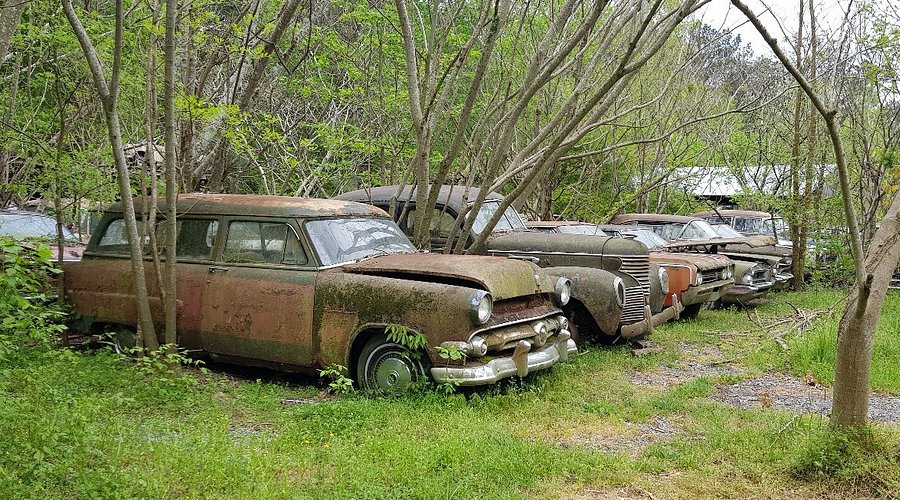

Scrap metal does not become waste as soon as it leaves a home, factory or construction site. Most recyclable metals pass through a series of steps, including sorting, cleaning, processing and melting, before becoming raw materials for new products. Understanding this process helps Australian households and businesses make better decisions about metal disposal and recycling.
Old cars, damaged machinery, metal pipes, steel frames and aluminium products all contain materials with recycling value. Instead of sending these items to landfill, metal recycling facilities recover usable materials and prepare them for further manufacturing.
But what happens after a scrap metal collection truck leaves your property? The recycling process involves more than simply melting old metal. Each stage helps improve material quality, reduce contamination and prepare metals for reuse.
Scrap metal recycling begins with the collection of unwanted metal items from homes, businesses, factories and construction sites. Collection services transport these materials to a recycling facility for inspection and processing.
Common sources of scrap metal include:
Households: Old appliances, metal furniture, garden tools and aluminium products.
Construction sites: Steel beams, roofing sheets, pipes and metal offcuts.
Factories: Machinery parts, production waste and unused metal components.
Automotive businesses: Vehicle panels, engines, radiators and damaged car parts.
Commercial premises: Metal shelving, storage equipment and electrical cable.
The collection method depends on the amount and type of material. Small quantities often require a suitable vehicle, while large commercial loads may need specialised collection equipment.
Some businesses also use dedicated containers to manage metal waste at their premises. This keeps recyclable materials separate from general rubbish and makes collection more organised.
During transportation, recycling operators move the collected materials to a processing facility. The next step involves checking what has arrived.
Scrap metal inspection involves identifying different metal types and separating materials according to their properties. This stage matters because each metal has a different composition, recycling process and resale value.
Recycling facilities commonly divide scrap metal into two main categories: ferrous and non-ferrous metals.
Ferrous metals contain iron. Steel and cast iron are common examples.
These materials often come from:
Vehicle bodies and frames
Industrial machinery
Steel pipes and beams
Building structures
Household appliances
Most ferrous metals respond to magnets. Recycling facilities use magnetic equipment to separate these materials from non-magnetic metals.
Non-ferrous metals contain little or no iron. Aluminium, copper, brass, lead and zinc are common examples.
These metals have different properties and recycling requirements.
| Metal Type | Common Sources | Typical Uses After Recycling |
|---|---|---|
| Steel | Vehicles, machinery and building materials | Construction products and industrial equipment |
| Aluminium | Cans, window frames and vehicle parts | Packaging, transport components and building products |
| Copper | Electrical cables, pipes and motors | Electrical wiring and plumbing products |
| Brass | Taps, fittings and valves | New fittings and industrial components |
| Lead | Selected batteries and industrial materials | Approved lead-based products |
Workers may also separate materials by grade, size and condition. Advanced facilities use sorting equipment to improve accuracy.
For people selling unwanted metal, understanding these categories also explains how cash for scrap metal values can differ between materials. Metal type, weight, cleanliness and current market conditions all affect the final assessment.
After sorting, the materials move to the cleaning and preparation stage.
Scrap metal cleaning removes unwanted materials that affect the quality of recycled metal. Contaminants include plastic, rubber, glass, dirt, oil and other non-metal components.
For example, an old washing machine contains a steel body, electrical components, plastic parts and rubber fittings. Recycling workers separate these materials before processing the metal.
The cleaning process depends on the condition and source of the scrap.
Manual removal: Workers remove visible non-metal parts, including plastic covers, rubber seals and attached fittings.
Mechanical separation: Equipment separates materials based on their size, weight or physical properties.
Washing and treatment: Certain metal items undergo cleaning to remove dirt, grease and surface contaminants.
Component removal: Items such as old vehicles and machinery require the removal of selected components before metal processing.
Proper cleaning improves the quality of recovered materials. It also reduces problems during shredding and melting.
Hazardous materials require special attention. Batteries, oils, refrigerants and some electronic components need approved handling procedures. These materials do not belong in ordinary scrap metal loads.
Once unwanted materials have been removed, the remaining metal becomes ready for further processing.
Metal processing reduces large scrap items into smaller, manageable pieces. Recycling facilities use different machines depending on the material's thickness, size and strength.
Large steel structures, vehicle bodies and machinery parts often require cutting or shredding before they enter the next stage.
Industrial cutting equipment breaks down oversized metal pieces. This makes transportation, storage and further processing easier.
Common examples include steel beams, heavy machinery parts and large metal frames.
Metal shredders break suitable materials into smaller pieces. These machines use powerful rotating components to reduce bulky items into manageable fragments.
Shredding also helps separate attached materials. For example, smaller metal fragments are easier to separate from certain plastics and other non-metal components.
Some scrap metal undergoes crushing or compression. Baling machines press loose metal into compact blocks.
These methods improve storage efficiency and help facilities prepare materials for transportation.
Different metals require different processing methods. Aluminium cans, copper wire and heavy steel sections do not follow exactly the same process.
After processing, facilities separate and prepare the recovered metal for melting or direct reuse.
Melting converts processed scrap metal into liquid metal that manufacturers can use to produce new materials. Recycling facilities send suitable scrap to furnaces designed for specific metal types.
Steel, aluminium, copper and brass each require different melting conditions. Facilities control temperature and processing conditions according to the metal's properties.
The melting stage generally involves four steps:
Loading: Prepared scrap metal enters the appropriate furnace.
Heating: High temperatures melt the metal into a liquid form.
Separation: Slag and other unwanted materials are removed where applicable.
Refining: The molten metal undergoes treatment to achieve the required quality and composition.
The refining stage plays an important role in producing metal suitable for manufacturing.
Different industries require specific metal grades. Manufacturers check the composition and quality before using recycled material in production.
Businesses managing regular metal waste often use scrap metal bins to keep recyclable materials organised before collection. Separate containers for steel, aluminium and other metals can reduce contamination and make later processing more efficient.
Once the metal reaches the required standard, it moves to casting and manufacturing.
Casting turns molten metal into solid shapes that manufacturers can store, transport and process further. The exact method depends on the metal and its intended application.
Common casting methods include:
Ingot casting: Molten metal enters moulds and cools into solid blocks called ingots.
Billet casting: Metal forms into solid sections used in further manufacturing processes.
Slab casting: Steel and other suitable metals form into large, flat sections for rolling and shaping.
After cooling, manufacturers use these metal forms as raw materials.
For example, recycled aluminium ingots can enter production processes for vehicle components, building products and packaging materials.
Recycled steel can become new steel products used in construction, machinery and infrastructure.
The final application depends on the metal grade, composition and manufacturing requirements.
Recycled metal returns to the manufacturing industry as a valuable raw material. Manufacturers use processed metal to create products for construction, transport, electrical systems and everyday household needs.
Examples include:
| Recycled Metal | Potential New Products |
|---|---|
| Steel | Structural beams, pipes, machinery and building components |
| Aluminium | Vehicle parts, cans, window frames and transport components |
| Copper | Electrical cables, plumbing pipes and industrial fittings |
| Brass | Plumbing fittings, valves and decorative hardware |
| Zinc | Protective coatings and selected industrial products |
The recycling process also supports the continued use of existing metal resources.
For instance, steel recovered from an old vehicle can enter the steel recycling supply chain. After processing and quality checks, it becomes part of the raw material supply for new steel products.
This process connects scrap collection with manufacturing and reduces the need to rely entirely on newly mined materials.
Scrap metal recycling supports resource conservation and waste reduction across Australia. Recovering usable metals reduces the amount of recyclable material sent to landfill and creates another source of raw materials for industry.
The environmental benefits depend on the metal type, collection method, processing technology and energy source.
Metal recycling provides manufacturers with recovered materials. This reduces some of the demand for extracting and processing new metal ores.
Mining involves land disturbance, material extraction and transportation. Using recovered metals helps keep existing resources in circulation.
Producing certain metals from recycled materials requires less energy than producing them from raw ores.
Aluminium provides a clear example. Recycling aluminium generally uses much less energy than primary aluminium production.
Energy savings vary according to the material and recycling process.
Metal products often remain recyclable at the end of their useful life. Recovering steel, aluminium and copper keeps these materials out of general waste streams.
This is particularly useful for construction, manufacturing and automotive businesses that generate regular metal waste.
A circular economy keeps materials in use for as long as practical. Metal recycling supports this approach by returning recovered resources to manufacturing.
Instead of treating old metal as an unwanted product, recycling facilities prepare it for another stage of use.
Proper preparation makes scrap metal collection safer and more efficient. Households and businesses can improve the process by separating materials and removing obvious contaminants where safe and appropriate.
Here are six practical steps:
Separate metal types: Keep steel, aluminium, copper and brass apart where practical.
Remove general waste: Avoid mixing plastic, timber, cardboard and household rubbish with scrap metal.
Identify hazardous materials: Keep batteries, oils, chemicals and other hazardous items separate.
Organise large items: Group bulky metal materials to make inspection and collection easier.
Use suitable storage: Keep scrap metal in a secure area away from public access.
Arrange suitable collection: Choose a collection method that matches the amount, size and type of metal.
Businesses producing regular metal waste can also establish a collection schedule. This helps prevent scrap from building up and keeps work areas organised.
MetalBiz Recyclers provides a relevant option for people and businesses looking to manage unwanted metal through recycling services. Its metal recycling and collection operations connect recovered materials with the wider scrap metal industry. Choosing a suitable recycling provider helps make the collection and recovery process more organised.
Scrap metal recycling involves a series of steps that turn unwanted materials into useful manufacturing resources. The process starts with collection and inspection, followed by sorting, cleaning, cutting, shredding and melting. Recovered metals then undergo refining and casting before entering new manufacturing processes.
Each stage helps improve material quality and supports the recovery of valuable resources. Households, construction companies and industrial businesses all contribute by separating scrap metal and arranging suitable collection.
Understanding what happens after collection also highlights the importance of responsible metal disposal. With proper sorting and processing, old metal products remain valuable resources rather than becoming unnecessary landfill waste.