
A damaged car can still have useful value in the NSW market. Its condition is only one part of the valuation. The make, model, age, parts, demand and paperwork also matter.
A vehicle that no longer suits the road can still have valuable components. Engines, gearboxes, wheels, panels and other parts may have resale value. Some vehicles also have value as scrap metal or donor cars.
Understanding these factors helps owners make a more informed selling decision. It also helps explain why two damaged cars can receive very different offers.
The make, model and age of a damaged car often affect its value because parts have different levels of demand. Popular vehicles usually have a larger market for replacement components.
A common model may have many owners looking for affordable used parts. Wreckers can also find more uses for parts from vehicles that remain common on Australian roads.
Age matters too, but an older car is not automatically worthless. A well-known model with useful parts can still attract interest after years of use. A newer vehicle may also have valuable components, even when its repair costs are too high.
The vehicle's specifications can matter as well. A larger engine, four-wheel drive system or particular transmission can influence demand. The same applies to factory options and less common components.
The type of damage affects how much usable value remains in the vehicle. A car with body damage may still have a healthy engine, gearbox and interior.
Mechanical damage creates a different situation. A failed engine or transmission can reduce the value of a vehicle that would otherwise be useful. However, other components may still have value.
Structural damage is another important factor. Serious damage can make repairs difficult or uneconomical. In these cases, the vehicle may have greater value as a source of parts.
Flood, fire and hail damage also need careful assessment. Water or fire can affect many systems at once. This can reduce the number of components that are suitable for reuse.
Usable parts are one of the main reasons a damaged vehicle can still be worth money. Wreckers can recover working components and sell them for use in other vehicles.
The engine is often an important part of the assessment. A working engine can retain useful value, even when the vehicle's body is badly damaged. The gearbox, differential and electrical components can also matter.
Other parts may include doors, bonnets, lights, seats, mirrors, wheels and suspension components. The condition of each part matters more than the overall appearance of the vehicle.
Completeness can also affect an offer. A damaged car with its major components intact gives a buyer more options. Missing parts can reduce the vehicle's overall recovery value.
For example, owners seeking cash for scrap cars Bella Vista may receive an assessment based on the vehicle's make, model, condition and recoverable components. The location can also matter when removal arrangements form part of the sale.
Parts demand changes over time, so damaged vehicles do not have one fixed value. A part that is difficult to source can attract more interest than a common component.
Demand also depends on how many vehicles share the same parts. Some engines, transmissions and body components appear across several models. That wider compatibility can make those parts more useful.
Local demand can also play a role. A wrecker may already have buyers looking for particular components. Another buyer may have less demand for the same vehicle.
This is why online estimates may not tell the whole story. A physical inspection can reveal parts and damage that are difficult to judge from basic vehicle details.
A written-off vehicle has specific rules in NSW, and its status affects what happens next. Service NSW states that a written-off vehicle can be transferred, but it can only be used for parts or scrap metal in the relevant circumstances.
Some written-off light vehicles can only be repaired and re-registered in limited circumstances. Transport for NSW requires approval before repairs begin in those cases.
This means owners need to understand the vehicle's status before agreeing to a sale. A car that looks repairable may face registration restrictions after being classified as written off.
Buyers also consider these restrictions when valuing the vehicle. A vehicle intended for dismantling has a different market from a car that can return to the road.
Clear ownership records make a damaged car easier to sell. Sellers should gather identification and available vehicle documents before arranging a sale.
Service NSW recommends keeping records such as the Certificate of Registration and vehicle details. Sellers should also keep a record of the sale, including important vehicle information and the buyer's details.
NSW sellers also need to submit a Notice of Disposal when selling or disposing of a registered vehicle. This tells Transport for NSW that they are no longer responsible for the vehicle.
The exact process can differ for written-off vehicles and sales to wreckers. Service NSW provides specific guidance for these situations, including cases where number plates remain on the vehicle.
Keeping the paperwork organised can reduce delays. It also helps both parties confirm what is being sold.
The location of a damaged car can affect the practical value of the sale. A vehicle that cannot be driven needs to be collected by a suitable transport service.
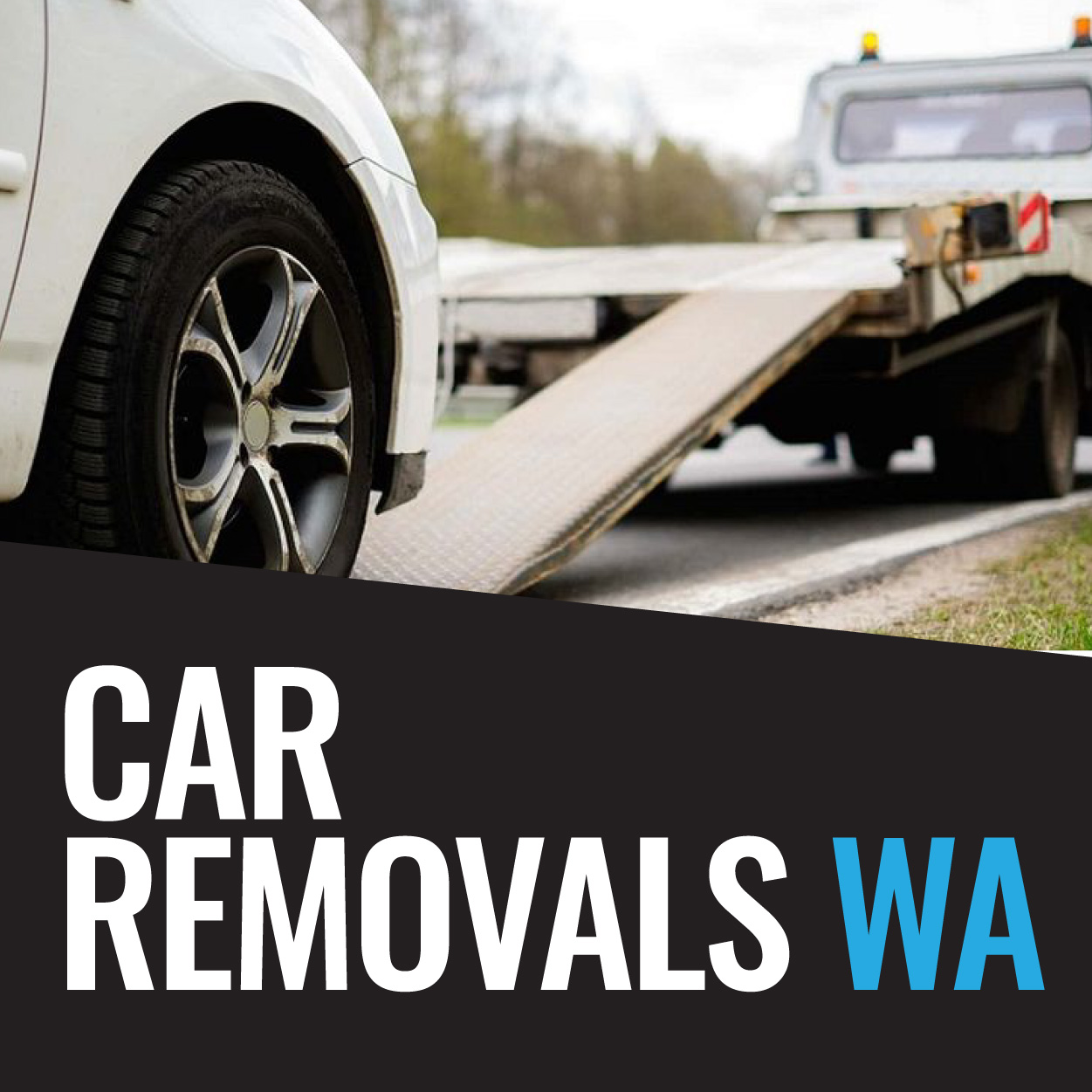
Removal may involve a tow truck, suitable equipment and extra time. Difficult access can also make collection more complicated. Narrow driveways, underground car parks and roadside locations may require different arrangements.
These costs matter because the buyer needs to account for collection and handling. Ask whether removal is included before accepting an offer.
Cash for Cars NSW states on its website that it buys damaged, old, scrap and unwanted vehicles in Sydney. It also says it provides vehicle removal and handles sale paperwork as part of its process.
That type of service can be useful when a damaged vehicle cannot be driven safely. However, owners should still confirm the offer, removal terms and required documents before completing the sale.
Scrap metal contributes to the value of some end-of-life vehicles. Steel and other recoverable materials can be processed after a vehicle is dismantled.
However, scrap value alone does not determine every unwanted car price. Reusable parts may contribute more to the overall assessment.
A complete vehicle can therefore be worth more than its basic metal content. Working components, desirable parts and vehicle demand all add context to the valuation.
This also explains why a heavily damaged vehicle can still attract an offer. The vehicle may have little road value but useful value as a source of materials and parts.
Repair costs are central to any decision about a damaged vehicle. A repair only makes financial sense when the expected value justifies the expense.
Get a clear estimate before spending money on major repairs. Include parts, labour, towing, inspections and other costs in the calculation.
A damaged car may also need several repairs at once. Fixing one visible problem does not guarantee that hidden faults will be absent.
For some owners, selling the vehicle in its current condition is more practical. This avoids spending money before knowing whether the vehicle can provide a worthwhile return.
Accurate vehicle information helps a buyer assess a damaged car more effectively. Have the make, model, year, registration details and location available.
Explain the damage clearly rather than describing the car simply as damaged. Mention whether it starts, drives and has suffered accident, flood, fire or mechanical damage.
Photos can also help. Take clear images of the exterior, interior, damaged areas and important components. Include the odometer if it is visible.
These details give the buyer a better starting point. A final assessment may still depend on an inspection of the actual vehicle.
Owners searching for cash for old cars Sydney can use the same approach. Providing accurate details helps create a clearer starting point for a valuation, especially when the vehicle is old, damaged or no longer running.
A clear sale process helps prevent problems later. Confirm the agreed price, removal arrangements and paperwork before the vehicle leaves your property.
For a NSW-registered vehicle, submit the required Notice of Disposal after the sale. Service NSW recommends doing this immediately after selling to help protect the former owner from future fines or offences involving the vehicle.
Keep a copy of the sale record and any payment confirmation. Remove personal belongings, toll tags and other items before collection.
If the vehicle has personalised or special number plates, check the applicable NSW requirements. Plates may need to be retained or returned depending on the arrangement.
These simple steps make the transaction easier to document. They also give the seller useful records if questions arise later.
A damaged car can retain value through its parts, materials and market demand. Make, model, age, damage type and vehicle completeness all affect the assessment.
Written-off status and NSW registration rules also matter. Good paperwork and clear removal arrangements can make the sale smoother.
Before accepting an offer, compare the likely repair costs with the vehicle's remaining value. For a car that is no longer practical to repair, selling it for parts or recycling may provide a more suitable outcome.


20240424075031.jpg)