
Selling a damaged truck in Adelaide requires a clear understanding of its condition, value, ownership documents, and removal options. The right preparation helps truck owners compare offers, avoid delays, and make an informed decision. Whether a truck has engine trouble, accident damage, rust, or worn parts, several factors affect how easily it can be sold.
A damaged truck does not always need expensive repairs before sale. Its engine, transmission, body, tyres, and reusable parts all influence its value. Some buyers purchase trucks in poor condition for dismantling, recycling, or spare parts. Understanding these options helps owners choose a practical way to sell their vehicle.
The truck's overall condition is one of the main factors that affects its resale value. A careful assessment helps you explain its faults and compare offers more accurately.
Start by checking the engine, gearbox, brakes, suspension, tyres, and electrical system. Look for visible damage, oil leaks, rust, broken lights, and worn components. If the truck has been involved in an accident, check for damage to the chassis and cabin.
Different faults affect a truck's value in different ways.
Engine damage: Problems such as overheating, oil leaks, or engine failure can make repairs expensive.
Transmission faults: Gearbox problems can reduce the truck's usefulness and resale value.
Accident damage: Bent panels, damaged cabins, and structural faults can affect safety and repair costs.
Rust and corrosion: Rust on the chassis or load-bearing parts can create serious structural concerns.
Electrical problems: Faulty wiring, damaged sensors, and starting issues can prevent normal operation.
Worn components: Old tyres, damaged seats, and broken accessories can reduce the amount buyers offer.
Record any known faults before contacting potential buyers. Photographs of the exterior, cabin, engine bay, and damaged areas also help explain the truck's condition.
Repairing a damaged truck is not always financially sensible. Compare the estimated repair cost with the truck's likely sale price after repairs.
For example, an older truck with engine failure may require extensive mechanical work. If the repair cost exceeds the likely increase in resale value, selling it in its current condition may be more practical.
A mechanic's inspection can help identify major faults and provide a clearer picture of the truck's condition.
A damaged truck's value depends on its make, model, age, mechanical condition, parts demand, and remaining useful life. The final offer also depends on the buyer's intended use for the vehicle.
Truck owners sometimes focus only on the damage and overlook the value of usable components. A truck that no longer runs may still contain a working transmission, alternator, starter motor, wheels, or other reusable parts.
| Factor | How It Affects Value |
|---|---|
| Make and model | Popular models may have stronger demand for replacement parts. |
| Age and kilometres | Older vehicles and high kilometre readings can reduce resale value. |
| Engine condition | A working engine generally adds value compared with a failed one. |
| Body and chassis | Severe structural damage can limit repair and resale options. |
| Parts condition | Usable components may retain value even when the truck cannot drive. |
| Demand for materials | Recoverable metals and other materials can contribute to the vehicle's value. |
| Collection requirements | Difficult access or specialised transport can affect the final offer. |
These factors help explain why two trucks with similar damage can receive different offers.
Truck owners can consider private sales, trade-ins, specialist vehicle buyers, and vehicle removal services. Each option suits a different situation.
A private sale may attract buyers seeking a repair project, but it often requires more time and communication. A trade-in may suit someone replacing an existing vehicle. Specialist buyers may be more practical when a truck is damaged, unregistered, or no longer roadworthy.
For owners researching truck removal Adelaide, it is useful to compare the collection arrangements, vehicle assessment process, payment terms, and any removal charges. The advertised offer alone does not explain the full value of a selling arrangement.
Request a clear breakdown of the offer before accepting it. This makes it easier to understand whether the amount includes collection and whether any conditions apply.
Having the correct paperwork ready helps make the sale more straightforward. Buyers need enough information to establish the vehicle's identity, ownership, and any relevant registration details.
Prepare the following items where applicable:
Proof of identity: Documents that confirm your identity when required for the transaction.
Proof of ownership: Records showing your legal connection to the truck.
Registration details: Current or previous registration information, if available.
Vehicle identification number (VIN): The unique identifier used to identify the vehicle.
Service history: Maintenance records, repair invoices, and inspection reports.
Finance information: Details of any outstanding loan or registered security interest.
Not every buyer requires every document, but having these details ready can reduce unnecessary delays.
In South Australia, sellers need to follow the applicable vehicle disposal and registration procedures. The requirements depend on whether the truck is registered, unregistered, being transferred to another owner, or being dismantled.
Check the current guidance from Service SA before completing the transaction. If the truck is registered, confirm the correct process for transferring or cancelling its registration, including any required notification.
If the vehicle has finance owing, contact the lender to establish the steps required to settle the debt and release any security interest. Do not assume that handing over the keys automatically completes every legal or administrative requirement.
For business-owned trucks, check that the person arranging the sale has authority to act on behalf of the business. Keep copies of the sale agreement, payment confirmation, and any relevant transfer documents.
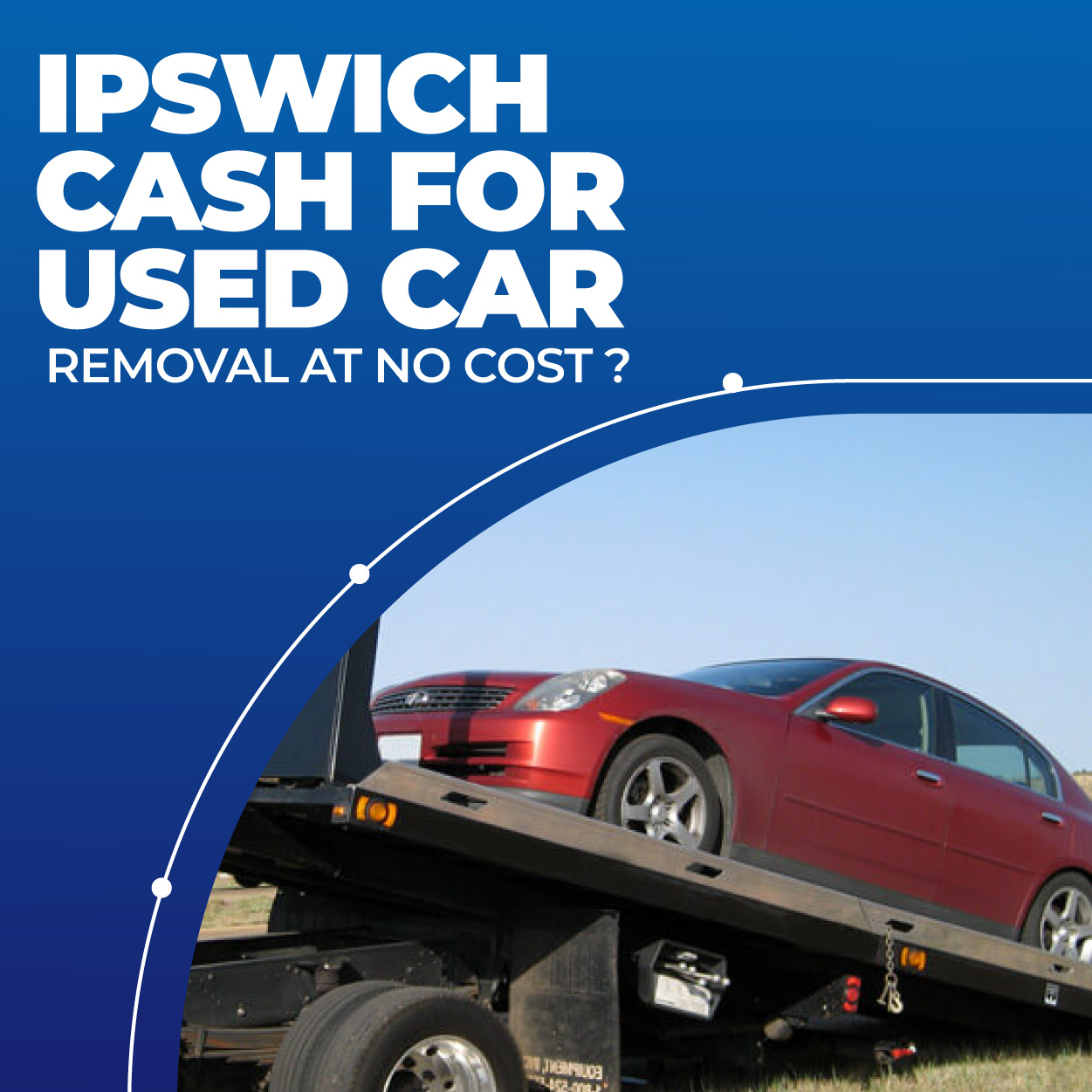
A damaged truck may be unsafe or impossible to drive. In that situation, suitable transport is an important part of the selling process.
Before arranging collection, explain whether the truck starts, moves, steers, and brakes. Tell the buyer about flat tyres, damaged wheels, leaking fluids, low clearance, or restricted access to the vehicle.
The right transport method depends on the truck's size, weight, condition, and location.
A truck that can roll and steer may be easier to load than one with locked wheels or severe structural damage. Heavy commercial vehicles may require specialised recovery equipment rather than a standard towing vehicle.
Confirm the following details before booking:
The truck's approximate dimensions and weight.
Whether it can move under its own power.
The location of the vehicle and access restrictions.
Whether loading requires a winch or specialised equipment.
Whether the quoted price includes collection and loading.
These details help the removal provider prepare suitable equipment and reduce the risk of unexpected charges.
Remove loose objects from around the truck and keep people away from damaged components. Do not attempt to move a heavy vehicle with failed brakes or serious steering damage.
If the truck has leaking fuel, oil, or other fluids, tell the collection provider before arrival. Avoid handling hazardous materials without appropriate knowledge and equipment.
Remove personal belongings, business paperwork, toll tags, and electronic devices before collection. Check the cabin, storage compartments, toolboxes, and any fitted equipment.
Comparing offers helps truck owners understand the market and choose an arrangement that suits their needs. The highest advertised amount does not always represent the best final outcome.
When you want to sell truck for cash Adelaide, provide accurate information about the truck's condition, age, model, and location. Clear details help buyers assess the vehicle and give a more realistic offer.
Before accepting an offer, ask each buyer to explain the main terms.
Is the offer based on the truck's actual condition? Confirm that the buyer understands all major faults. Ask whether an inspection can change the quoted amount.
Is collection included? Establish whether towing, loading, and transport are included in the agreed price. Ask about additional charges for difficult access or specialised recovery.
When does payment occur? Confirm the payment method and timing. Keep a record of the agreed amount and verify that payment has cleared before completing the handover.
What happens if the truck does not start? Explain the vehicle's condition and confirm that the buyer can collect it safely.
What paperwork is required? Ask which ownership and registration documents are needed and who handles each step.
A useful comparison includes more than the quoted purchase price.
| Comparison Point | What to Confirm |
|---|---|
| Final payment | The amount agreed after considering the truck's condition. |
| Collection cost | Whether towing and loading are included. |
| Payment timing | When the money reaches your account or is otherwise received. |
| Vehicle assessment | Whether the offer depends on an inspection. |
| Documentation | Which records and forms are required. |
| Collection schedule | The agreed date and any access requirements. |
Written confirmation helps avoid disagreements. Keep the buyer's details, the agreed price, and the collection arrangements together until the sale is complete.
A truck that is no longer suitable for road use may still have useful components. Its remaining value depends on the condition of its parts, demand for replacements, and the cost of recovering materials.
Working components such as alternators, starter motors, mirrors, wheels, and some transmission parts may be suitable for reuse. The suitability of each component depends on its condition and compatibility with other vehicles.
The vehicle's condition and the receiving facility's procedures determine how it is handled. A typical vehicle recovery process includes several stages.
First, the truck is assessed to identify reusable parts and materials. Fluids and other regulated materials are managed according to applicable requirements. Suitable components may then be removed for reuse or resale.
After dismantling, recoverable metals can enter recycling streams. Materials that cannot be reused or recycled through available processes require appropriate disposal.
This approach can reduce waste and recover useful resources. However, the actual recovery rate depends on the truck's design, condition, and the facilities available.
Commercial trucks often contain equipment that is not part of the vehicle's sale. Examples include GPS units, communication devices, removable tools, company signs, and specialised storage systems.
Check which items belong to the business and which are included in the sale agreement. Remove confidential documents and stored data from electronic systems.
If the truck carries dangerous goods or specialised equipment, disclose this information before collection. Certain loads and equipment require additional handling arrangements.
A few simple checks can prevent avoidable costs and disputes during the sale.
Describe the truck honestly and disclose known mechanical or structural faults. Misrepresenting the vehicle's condition can lead to disagreements, revised offers, or other problems.
Provide clear photographs and mention any issues that affect movement, loading, or safe transport.
Confirm the agreed amount and payment method in writing. Be cautious if a buyer changes the terms at the last minute or requests unusual payment arrangements.
Verify receipt of payment before handing over the truck, keys, and relevant documents.
Complete the applicable registration and ownership procedures. Remove personal property, company records, and equipment that is not included in the sale.
Keep copies of the transaction records for future reference.
A truck with cosmetic damage differs from one with a failed engine or a bent chassis. Make comparisons using vehicles with similar specifications and conditions rather than relying on a single advertised price.
Obtaining more than one assessment can help establish a reasonable price range.
Car Removal Adelaide provides a local option for owners considering the removal of unwanted vehicles. When assessing a damaged truck, owners can explain its condition, location, and whether it remains operational to help establish suitable collection arrangements.
Before proceeding with any vehicle buyer, confirm that the service accepts your truck's type, size, and condition. Ask for the purchase amount, removal arrangements, payment timing, and required paperwork in clear terms.
This preparation helps owners compare available options without relying on assumptions about the truck's value. It also makes it easier to arrange transport for vehicles that cannot be driven safely.
Selling a damaged truck in Adelaide becomes easier when you understand its condition, gather the required documents, and compare the full terms of each offer. Repair costs, reusable parts, collection requirements, and registration procedures all influence the decision.
Start with an honest assessment of the truck, obtain clear offers, and confirm payment and collection details in writing. These steps help reduce delays and support a more informed sale, whether the truck is repairable, no longer operational, or ready for dismantling and recycling.