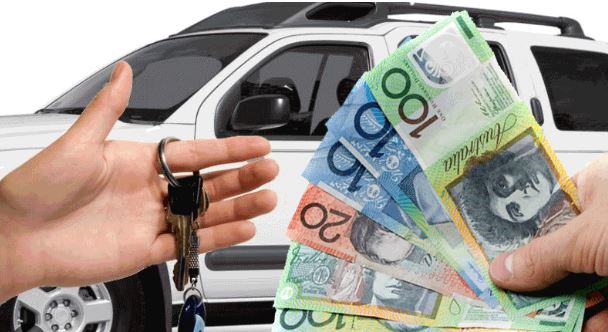

A car that has been sitting in a garage, driveway or backyard for several years can become difficult to deal with. Perhaps you bought another vehicle, moved house or simply stopped driving. Whatever the reason, leaving a car unused does not necessarily mean it is beyond repair.
However, time can affect a vehicle in several ways. Batteries lose their charge, tyres deteriorate, fuel degrades and mechanical components can develop problems. Even a car that was working perfectly when parked may need attention before it is safe to drive again.
If you have an unused vehicle taking up space, you can consider restoring it, keeping it in storage, selling it privately, selling it for parts or arranging professional removal. Here is how to decide which option makes the most sense.
Before making any decisions, establish the vehicle's condition. A car that has been parked for five years may have different problems from one that has been unused for twelve months.
Start with a visual inspection. Look for cracked or flat tyres, rust around the body, fluid leaks, damaged wiring, corroded battery terminals and signs of rodents or moisture inside the cabin.
Also check the service history, odometer reading, last registration details and previous repair records.
Remember that a clean exterior does not guarantee good mechanical condition. Problems with the brakes, suspension, fuel system and engine may not be visible.
If the vehicle has been sitting for years, do not assume it is safe to start or drive. Arrange a professional mechanical inspection first.
Trying to start a neglected vehicle without checking it can cause additional problems.
Old fuel may have deteriorated, engine oil may need replacing, and rubber hoses or seals may have become brittle. Moisture and corrosion can also affect the braking system and electrical components.
Ask a qualified mechanic to inspect the:
Fuel left in a tank for an extended period can develop deposits that affect the fuel system. A mechanic can determine whether it needs to be removed before starting the engine.
The inspection will help establish whether the vehicle can safely return to the road and what repairs are necessary.
One of the biggest decisions is whether to spend money restoring the vehicle.
An older car may need more than a new battery and fresh fuel. It could require replacement tyres, brake repairs, cooling-system work or attention to the engine and transmission.
Before approving repairs, compare the estimated expenses with the vehicle's current market value and your intended use.
Consider inspection costs, mechanical repairs, replacement parts, registration, roadworthiness requirements, insurance and future maintenance.
For example, imagine an older car currently worth $4,000 that needs $3,000 in repairs, excluding registration and other expenses. Restoring it may not be financially sensible if you only intend to sell it afterwards.
However, market value is not the only consideration. If the vehicle has sentimental importance or is a model you genuinely want to keep, restoration may still be worthwhile.
Not everyone wants to sell an unused vehicle. Some owners keep older cars for future restoration, occasional use or sentimental reasons.
If you intend to store yours for longer, choose a dry, covered and well-ventilated location where possible. Protect it from excessive moisture, direct sunlight and pests.
Check the tyres periodically and follow the manufacturer's recommendations for battery and fluid maintenance. Long periods without movement can cause tyre deterioration and other storage-related problems.
Avoid assuming that occasionally starting the engine is enough to maintain the vehicle. Follow appropriate storage advice from a qualified mechanic, especially if it will remain unused for another extended period.
Also consider ongoing storage, insurance and maintenance costs. These expenses can add up when a vehicle has no planned use.
If you no longer need the car but it still has value, selling it privately may be worth considering.
You do not necessarily need to restore a vehicle completely before advertising it. Some buyers look for older cars that need repairs, project vehicles or particular models for restoration.
Prepare accurate information about the make, model, year, odometer reading, registration status, service history and known mechanical problems.
Take clear photographs of the exterior, interior, engine bay and visible damage. Be honest about how long the vehicle has been unused and whether it currently starts or runs.
An unregistered or non-running car may take longer to sell because buyers must consider transport and repair costs. Check your state or territory's ownership transfer and registration requirements before completing the sale.
Sometimes restoring an old vehicle is not practical, but individual components may still have value.
Depending on its make, model and condition, reusable parts could include engines, transmissions, alternators, starter motors, doors, mirrors, seats, wheels and electronic components.
Demand depends on the vehicle's age, availability, condition and compatibility with other models. Not every component will have meaningful resale value.
You should also consider the tools, knowledge, time and storage space required to remove and sell individual parts.
If you lack the necessary equipment or experience, dealing with an appropriately authorised automotive dismantler may be a more practical option. Vehicle fluids and other waste materials must also be handled responsibly.
If the car has been unused for years and you no longer want to repair, store or sell it privately, professional vehicle removal may be worth considering.
This can be useful when the vehicle does not start, has major mechanical problems or is taking up valuable parking space.
Specialist vehicle buyers may assess old, unwanted, damaged and non-running vehicles. However, acceptance and offers depend on the vehicle's condition, location, parts demand and salvage potential.
Before arranging collection, ask whether towing is included, whether additional charges apply, what documents are required and how payment will be made.
Provide accurate details about the vehicle, including its condition, location, keys and available paperwork.
If you are considering this option, explore Metro Salvage's unwanted car buying and removal service to understand the available service.
Compare offers and confirm collection and payment arrangements before accepting a deal.
A vehicle that has been unused for several years may have expired registration. This does not automatically prevent you from selling or disposing of it, but you should understand the applicable requirements.
In Queensland, an unregistered vehicle generally requires an unregistered vehicle permit and compulsory third party (CTP) insurance to be moved on public roads. If the vehicle is unsafe to drive, arrange transport by tow truck instead. Requirements may differ in other states and territories.
For example, Queensland has procedures for cancelling vehicle registration and surrendering number plates. Victoria also provides guidance on registration cancellation and vehicle disposal.
Check the relevant transport authority before arranging a sale or disposal. Keep records of the sale or disposal and complete any required notifications. If the vehicle has outstanding finance, check the lender's requirements before transferring or disposing of it.
An unused vehicle can become inconvenient when it occupies a driveway, garage or parking space you need for everyday use.
Brisbane's weather can also contribute to vehicle deterioration. Exposure to rain, humidity and strong sunlight may affect paintwork, rubber components, electrical connections and exposed metal surfaces.
If you are considering selling or removing an unwanted vehicle in Brisbane, first establish whether it is worth repairing and whether it can be transported safely.
Owners looking for a local option can learn more about Metro Salvage's cash for cars service in Brisbane.
The vehicle's age, condition, location and salvage potential will influence the assessment. Confirm collection arrangements and any associated costs before proceeding.
A car that has been sitting unused for years does not necessarily need to remain parked indefinitely. It may still be suitable for restoration, private sale, parts recovery or professional removal.
Before deciding, arrange a mechanical inspection, calculate the likely repair and storage costs, and consider whether you genuinely need the vehicle.
If keeping it no longer makes practical or financial sense, selling or arranging its removal can free up valuable space and prevent further deterioration.
The best option depends on the vehicle's condition, your budget and your future plans.