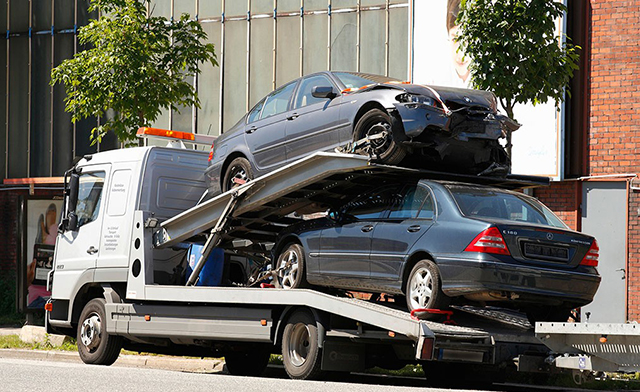

Selling an unwanted car in Sydney can take time, especially when the vehicle is old, damaged, unregistered or no longer running. Private buyers often expect roadworthy vehicles, while dealerships may offer limited options for cars with mechanical problems. A dedicated car-buying service provides another way to sell these vehicles without managing private listings, repeated inspections and buyer negotiations.
Car owners often keep unwanted vehicles because they are unsure how to sell them. Some cars sit unused in driveways, while others take up valuable garage space. Finding a suitable buyer, arranging transport and completing the paperwork can make the process feel complicated.
Understanding the available selling options helps owners make informed decisions. From getting a vehicle valuation to arranging collection, each stage has a role in making the sale easier. Services such as Grande Cash For Cars Sydney offer an alternative for people looking to sell unwanted vehicles across Sydney.
Selling an unwanted car involves more than finding someone willing to buy it. The vehicle's condition, age, registration status and market demand all affect the selling process.
Several common problems make private car sales difficult.
Older vehicles often develop mechanical faults over time. Engine problems, transmission damage, overheating and electrical failures can make a car expensive to repair.
Private buyers usually prefer vehicles that need little attention. A car with major faults attracts fewer enquiries because buyers must consider repair costs. Some buyers also lack the tools or knowledge to assess damaged vehicles.
Advertising a car privately requires preparation and regular communication. Owners need to take photographs, write descriptions, respond to enquiries and arrange inspections.
Some interested buyers cancel appointments or negotiate heavily after inspecting the vehicle. This creates delays and makes the selling process less predictable.
A car that does not start cannot travel to a buyer's location. Moving it often requires a tow truck or suitable vehicle transporter.
Transport costs also affect the final amount received from the sale. This becomes a concern when the vehicle has limited resale value.
Registration status is another important factor when selling a vehicle. An expired registration can affect how the car is transported and used.
Owners also need to prepare the correct ownership information. Clear records help reduce confusion during the transfer process.
These challenges explain why some Sydney residents consider professional car-buying services instead of private advertisements.
Grande Cash For Cars Sydney provides a vehicle-buying and removal option for owners who want to sell unwanted cars. Its service focuses on assessing vehicles, providing offers and arranging collection.
The company offers an alternative to the traditional private selling process. Instead of dealing with multiple potential buyers, owners can discuss their vehicle directly with a car-buying service.
Grande Cash For Cars Sydney has experience in the Australian automotive industry, with its business history dating back to 2000. Its services cover different vehicle conditions, including old, damaged and unwanted cars.
This approach helps owners understand their selling options without relying entirely on private buyers. It also connects the sale and collection stages through one service.
A vehicle assessment helps establish its potential value. Buyers consider several factors before making an offer.
These factors include:
Make and model: Popular models can attract stronger demand for used parts.
Manufacturing year: Vehicle age affects its resale and recycling value.
Overall condition: Body damage, rust and interior wear influence the assessment.
Mechanical condition: Engine, transmission and electrical faults affect value.
Parts demand: Reusable components can contribute to the vehicle's value.
Scrap metal value: Steel, aluminium and other recoverable materials influence recycling value.
Providing accurate vehicle details helps create a clearer assessment. Owners can mention known faults, missing parts and accident damage during the initial discussion.
A direct selling arrangement reduces the need to advertise a vehicle privately. Owners communicate with the buyer, provide relevant information and review the offer.
This process also reduces the number of individual inspections. It gives sellers a clearer way to understand the next steps before agreeing to a sale.
Selling an unwanted vehicle becomes easier when owners follow a clear process. Preparing basic information and understanding each stage helps prevent unnecessary delays.
Start by collecting the important details about the car. These details help the buyer understand its condition and identify the correct vehicle.
Prepare the following information:
Vehicle make and model
Manufacturing year
Registration status
Current location
Odometer reading
Known mechanical problems
Accident or body damage history
Accurate information reduces confusion during the assessment. It also helps avoid differences between the details provided and the vehicle's actual condition.
Describe the car honestly before requesting an offer. Mention whether it starts, drives or has major mechanical faults.
Include details about damaged panels, missing components and previous accident repairs. Photographs can also help explain the vehicle's condition.
Clear communication allows the buyer to assess the car more accurately. It also reduces unexpected changes during collection.
Once the vehicle details are available, contact the buyer for an assessment. Review the proposed amount and ask how the offer was calculated.
Check whether the offer accounts for the vehicle's condition, location and collection requirements. Also confirm whether any towing or removal charges apply.
A clear agreement helps both parties understand the terms of the sale.
After accepting an offer, arrange a suitable collection time. Confirm the vehicle's location and access requirements.
For non-running cars, the collection provider needs suitable towing equipment. Owners can also discuss access issues, such as narrow driveways or underground parking.
Grande Cash For Cars Sydney offers vehicle removal as part of its service. This gives owners an option for selling vehicles that cannot be driven to a buyer.
Before handing over the vehicle, check the payment arrangements and required documents.
Remove personal belongings, including items stored in the glovebox, boot and storage compartments. Remove toll tags and personal number plates where required.
Keep a record of the sale and follow the applicable NSW vehicle transfer and registration cancellation requirements. These steps help protect both the seller and the new owner. For further information about selling unwanted vehicles and arranging car removal in Sydney, visit https://grandecashforcars.com.au/
Unwanted vehicles come in different conditions, and not every car suits the traditional used-car market. Some vehicles retain resale value, while others are more suitable for parts recovery or recycling.
Professional car buyers assess vehicles based on their condition and potential value.
Older vehicles often have higher maintenance needs. Worn suspension parts, engine problems and ageing electrical systems can make continued ownership expensive.
Some owners choose to sell these cars rather than invest in major repairs. Their remaining usable components and recyclable materials can still hold value.
Accident damage can affect a vehicle's safety, appearance and resale value. Structural damage and damaged mechanical components also increase repair costs.
A professional assessment helps determine whether the vehicle suits repair, parts recovery or recycling.
Unregistered vehicles create additional challenges for private sellers. They cannot be treated like ordinary registered cars when arranging road use.
Owners need to consider transport arrangements and applicable registration rules. A vehicle removal service provides an option for moving a car that cannot legally or safely travel on public roads.
A non-running car may have a failed engine, flat battery or transmission problem. Even a relatively minor fault can prevent the vehicle from moving.
Professional removal services can collect vehicles using suitable towing equipment. This reduces the need for owners to organise separate transport.
Choosing a car removal service requires more than comparing the quoted amounts. Owners also need to consider payment arrangements, collection conditions and business transparency.
For example, people looking to sell cars for cash Bankstown can compare local service coverage, vehicle assessment methods and removal arrangements before accepting an offer.
The following factors help make the decision easier.
Look for clear business contact details and service information. A reliable business provides ways to discuss the vehicle and confirm collection arrangements.
Check the business address, phone number and available service areas. These details help establish who is handling the transaction.
Ask whether the quoted amount represents the final payment. Confirm whether towing, handling or other charges affect the offer.
Some offers depend on a physical inspection or confirmation of the vehicle's condition. Understanding these conditions prevents confusion later.
Discuss the payment method and timing before agreeing to the sale. Make sure the payment process is clear and documented.
Avoid handing over the vehicle without confirming the agreed payment arrangements.
Collection conditions vary depending on the vehicle's location and condition. A car parked in a narrow lane may need different arrangements from one in an open driveway.
Confirm the collection time, towing requirements and access conditions in advance.
An unwanted vehicle can enter several different processing routes after collection. Its final destination depends on its condition, usable components and recycling potential.
Understanding these processes explains why an old or damaged vehicle can still have value.
The first stage involves checking the vehicle's condition and identifying reusable components.
Working engines, gearboxes, alternators, starter motors and other parts may have value in the used-parts market. Their condition and demand determine whether recovery is practical.
Vehicles contain materials that require careful handling. These include engine oil, coolant, brake fluid, fuel and battery components.
Appropriate processing methods help prevent spills and reduce environmental risks. These materials need handling through suitable recovery or disposal channels.
Vehicle bodies contain recyclable materials, including steel and aluminium. These metals can enter recycling streams after suitable processing.
Recovering usable materials reduces waste and supports the reuse of existing resources. The actual amount recovered depends on the vehicle and the recycling facility.
Not every vehicle component can be reused or recycled. Certain plastics, damaged materials and mixed components require suitable disposal methods.
Responsible vehicle processing separates recoverable materials from waste. This helps reduce the environmental impact of end-of-life vehicles.
A few simple precautions help prevent problems during a vehicle sale. Owners benefit from checking the details before agreeing to collection.
A single offer does not always reflect the vehicle's full potential value. Comparing a few quotes gives owners a clearer understanding of the available market.
Compare offers on the same basis. Check the final payment, removal costs and any conditions attached to each quote.
Incorrect information can affect the assessment and create problems during collection. Always disclose known faults, missing parts and accident damage.
Honest descriptions help establish realistic expectations from the beginning.
Vehicles often contain personal items that owners overlook. Check the glovebox, centre console, boot and seat pockets before collection.
Also remove personal documents and any electronic devices connected to the vehicle.
Selling a vehicle involves more than exchanging keys and receiving payment. NSW owners need to understand the relevant registration transfer or cancellation requirements.
Keeping suitable records helps avoid future disputes and administrative problems.
Selling an unwanted car in Sydney does not need to involve lengthy private advertisements or complicated transport arrangements. Understanding the vehicle's condition, comparing offers and checking the sale requirements helps owners make informed decisions.
Grande Cash For Cars Sydney provides an option for people looking to sell old, damaged, unwanted and non-running vehicles. Its vehicle assessment and removal services connect the selling process with collection arrangements. For Sydney car owners, this offers another practical way to deal with vehicles that no longer meet their needs.
Before accepting an offer, check the payment terms, collection arrangements and required paperwork. A clear agreement makes the entire process easier to manage.