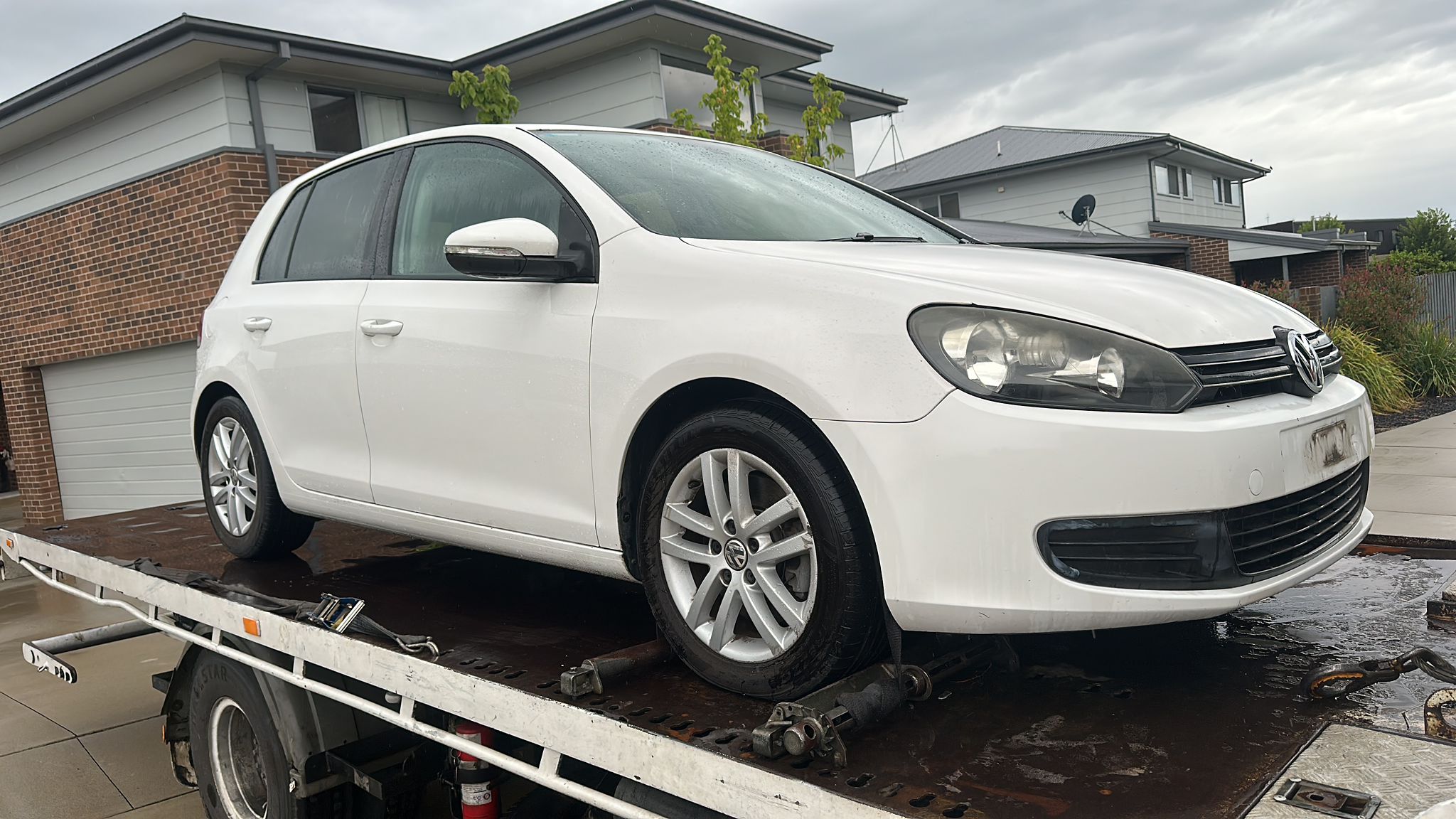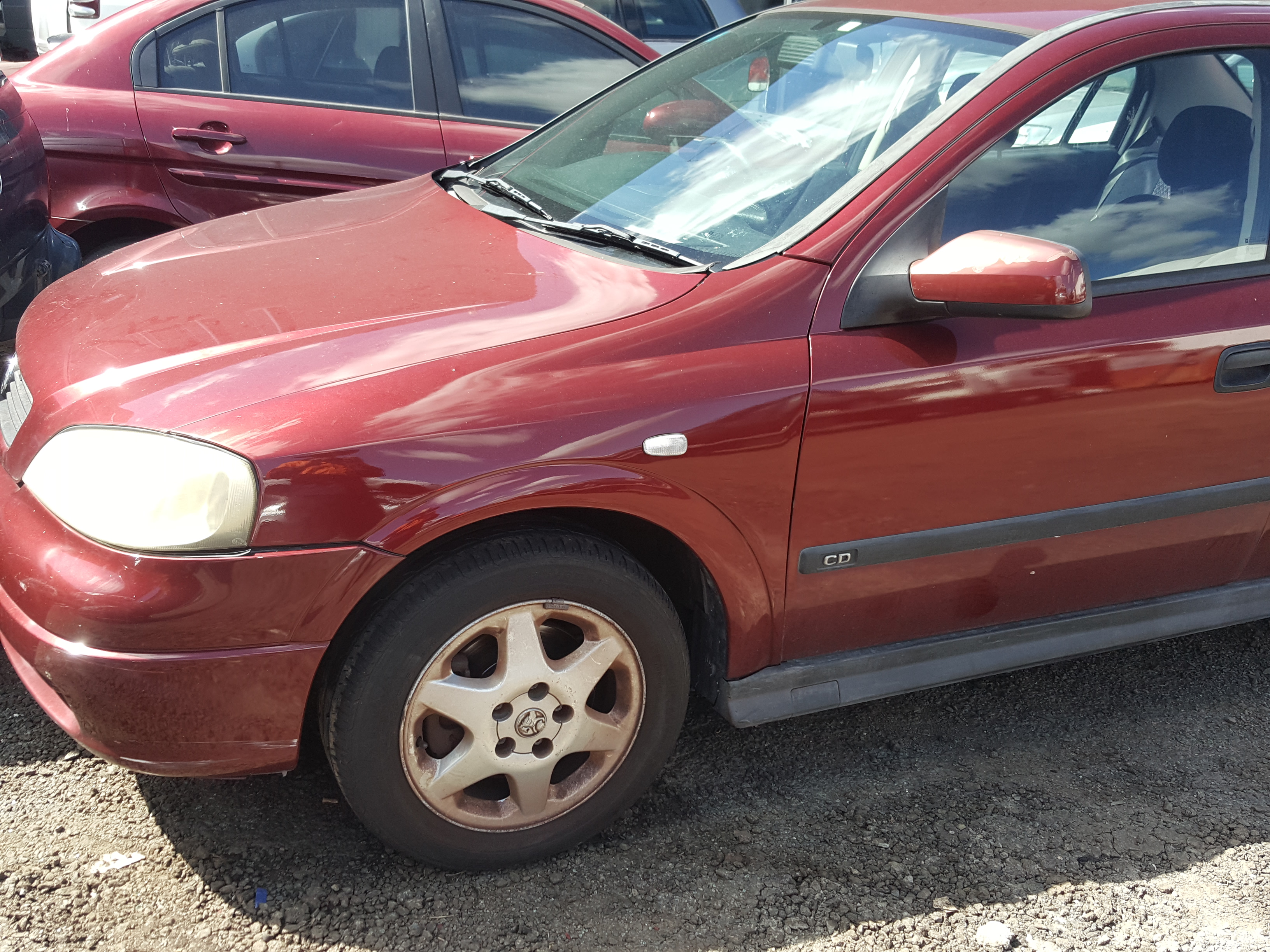

A car’s value in Sydney’s cash car market depends on several factors. These include its age, make, model, condition, kilometres, demand and registration status. Its potential resale or recycling value also helps determine what buyers may offer.
Selling a car for cash is different from selling a vehicle privately. A private buyer may focus on appearance, comfort and future use. A cash car buyer also considers repair costs, usable parts, metal value and current demand. Understanding these factors helps owners form realistic expectations before selling.
Sydney has many households that rely on motor vehicles for daily travel. According to the Australian Bureau of Statistics (ABS), 37.8% of NSW occupied private dwellings recorded one registered motor vehicle in the 2024 Census. Another 34.0% recorded two vehicles. This creates a broad market for vehicles across different ages and conditions.
Vehicle age is one of the first factors considered when assessing a car’s value. Newer vehicles generally retain more value because they often have fewer kilometres, newer components and stronger demand in the used-car market.
Older vehicles can still have value, even when their resale price is lower. Their engines, transmissions, panels, wheels and other components may have useful second-hand value. Some older cars also contain recyclable metals that contribute to their overall assessment.
The model and variant also matter. Popular models can attract stronger demand because replacement parts are easier to source and more buyers are familiar with them. Less common models can have a different value depending on parts availability and local demand.
The ABS reported an average Australian vehicle age of 10.6 years in its 2021 Motor Vehicle Census. This shows why age alone does not determine whether a vehicle has useful market value.
Vehicle condition has a direct effect on its cash value because it indicates the likely cost of repairs, preparation and resale. Buyers assess mechanical condition, body damage, interior condition, tyres, electrical systems and other visible or functional issues.
A car with a working engine, usable transmission and reasonable body condition can have a different value from a vehicle that does not start. Accident damage also affects the assessment because structural repairs can involve significant costs.
Written-off, flood-damaged or heavily damaged vehicles require additional consideration. Some may still have valuable components, while others may mainly have recycling value. For owners searching for junk cars collection Sydney, the condition of the vehicle helps determine whether it is suitable for parts recovery, resale or metal recycling.
Condition also includes missing components. A vehicle without wheels, batteries, keys or important mechanical parts may receive a different assessment from a complete vehicle of the same model and year.
Kilometres provide useful information about how much a vehicle has been used. A lower odometer reading can support a higher value when the vehicle is also in good condition and has a clear maintenance history.
High kilometres do not automatically make a vehicle worthless. A well-maintained car with regular servicing can remain useful for years. Service records, receipts and evidence of major repairs help explain how the vehicle has been maintained.
Maintenance history also helps buyers identify future costs. Recent replacement of important components can support the vehicle’s condition, while overdue servicing or known mechanical problems can reduce its assessed value.
For owners preparing a vehicle for assessment, providing accurate information about kilometres, servicing and known faults creates a clearer picture of the car. Hiding mechanical problems does not improve the underlying value and can make the assessment less straightforward.
The make and model influence value because different vehicles have different levels of demand in Sydney. Buyers consider how easily a vehicle can be resold, repaired, dismantled or used for parts.
Parts availability is another important consideration. Common vehicles often have established markets for used components. Engines, gearboxes, doors, headlights, wheels and other parts can retain value even when the complete vehicle is no longer economical to repair.
Market demand can also change over time. A model that was popular when new may have lower demand as it becomes older, while certain models remain sought after because of reliability, practicality or parts availability.
Vehicle type matters as well. Passenger cars, SUVs, utes, vans and commercial vehicles serve different markets. Their size, equipment, condition and intended use can affect the assessment.
Registration status provides additional information during a vehicle assessment. A registered vehicle with current documentation can have different considerations from an unregistered vehicle that requires removal or additional administrative steps.
Location can also affect the practical cost of handling a vehicle. Sydney covers a large metropolitan area, and access conditions can vary between suburbs. A vehicle parked in an accessible driveway is easier to collect than one located in a confined underground car park or difficult-to-access area.
Owners looking for an unwanted car buyer Sydney NSW may also need to provide basic details such as the registration number, make, model, year, kilometres and general condition. These details help create an initial understanding of the vehicle before a physical inspection or collection is arranged.
Accurate vehicle information is particularly important for damaged or non-running cars. Clear details about whether the vehicle starts, rolls or requires special removal equipment can help avoid delays during collection.
Repair costs are an important part of cash vehicle assessments because buyers need to consider the expense involved in making a vehicle usable again. A car that needs minor repairs has a different financial outlook from one requiring major engine or transmission work.
For example, replacing tyres or a battery may be relatively straightforward, while repairing major accident damage can involve bodywork, mechanical repairs and replacement components. The expected repair cost is therefore considered alongside the vehicle’s potential market value.
This explains why an owner may receive a different cash offer from the amount they originally paid for the car. Purchase price reflects the vehicle’s value at an earlier point in time, while a current assessment considers its present condition and market circumstances.
Owners also need to consider whether spending money on repairs makes financial sense. Repairing an older vehicle before selling it does not always increase its value by the same amount as the repair expense.
Some vehicles have value even when they are no longer practical for normal road use. In these cases, buyers can assess the vehicle based on reusable components and recyclable materials.
Metal is one part of this calculation. Steel, aluminium and other materials can enter recycling streams after suitable processing. Reusable components may also be removed and supplied for future vehicle repairs.
This makes end-of-life vehicles different from ordinary scrap cars. A damaged or non-running vehicle may have limited resale value but still contain components that retain practical or material value.
The condition and completeness of the vehicle remain important. A complete vehicle with usable components can have a different assessment from one that has already had major parts removed.
Accurate information helps create a more realistic initial assessment. Owners can prepare the vehicle’s make, model, manufacturing year, kilometres, registration details and known mechanical or body problems.
Photographs can also provide useful context when discussing a damaged vehicle. Images of the exterior, interior and major damage give a buyer a clearer understanding of the vehicle before collection.
Vehicle owners can also gather available service records and ownership documents. These records do not guarantee a particular price, but they provide useful information about the vehicle’s history.
The most important step is to describe the vehicle honestly. A clear description of its condition allows the buyer to assess whether the car has resale, parts or recycling potential.
Cash for Cars Sydney operates within a market where vehicle owners have different reasons for selling. Some owners have older cars, while others are dealing with damaged, unwanted or non-running vehicles.
For Sydney vehicle owners, the service can be relevant when a conventional private sale is difficult because the car requires repairs or has limited resale appeal. The assessment process focuses on the vehicle’s actual condition and potential value rather than relying only on its original purchase price.
A practical approach is to compare the vehicle’s age, condition, kilometres, model, parts demand and likely repair costs before accepting an offer. This gives sellers a clearer understanding of the factors behind a vehicle’s assessed value.
The value of a car in Sydney’s cash car market comes from a combination of factors rather than one single feature. Age, model, condition, kilometres, maintenance history, registration, demand, repair costs and recycling potential all contribute to the assessment.
Understanding these factors helps vehicle owners make informed decisions. A car does not lose all value simply because it is old, damaged or no longer suitable for daily driving. Its remaining value depends on what can realistically be repaired, reused, resold or recycled.
For anyone preparing to sell an unwanted vehicle, accurate information and realistic expectations make the process easier. A clear assessment provides a practical starting point for deciding whether selling the vehicle is more suitable than continuing to pay for repairs, registration or storage.