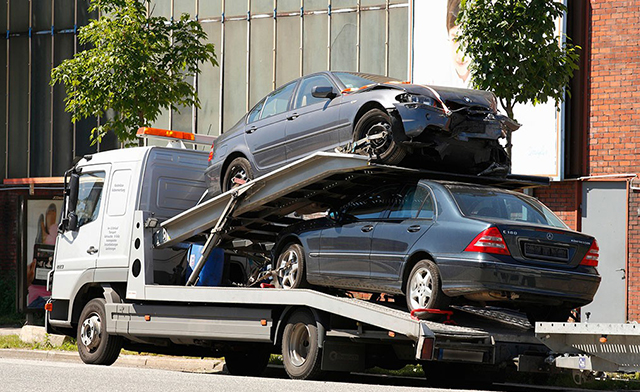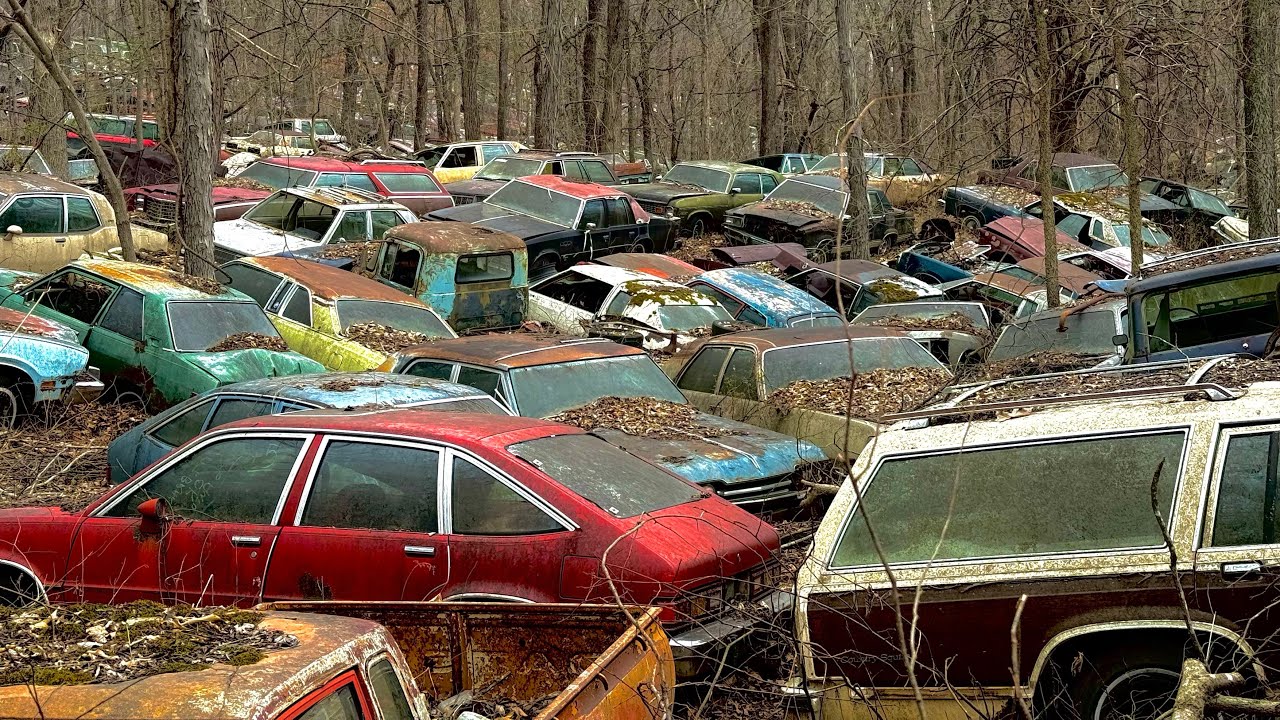

Old and unwanted vehicles can take up space on a driveway, in a garage, or on private land. Some may still run, while others may have mechanical faults, accident damage, missing parts, or registration issues. Keeping a vehicle that is no longer useful can also create ongoing costs such as registration, insurance, repairs, and storage.
Cash for cars services give vehicle owners a way to sell these vehicles. The process usually involves providing vehicle details, receiving a quote, arranging an inspection, agreeing on the sale, and organising vehicle collection. The exact process can differ between businesses, so vehicle owners should check the terms before accepting an offer.
A cash for cars service is a business that buys vehicles directly from owners. These services may accept cars in different conditions, including old, damaged, unwanted, unused, or non-running vehicles.
The purchased vehicles can have different outcomes after the sale. A vehicle in working condition may be prepared for resale or used for parts. A damaged vehicle may be dismantled, while vehicles that have reached the end of their useful life may be sent for recycling.
The main idea is to create a direct selling process between the vehicle owner and the buyer. This can remove the need for private advertising and dealing with several potential buyers.
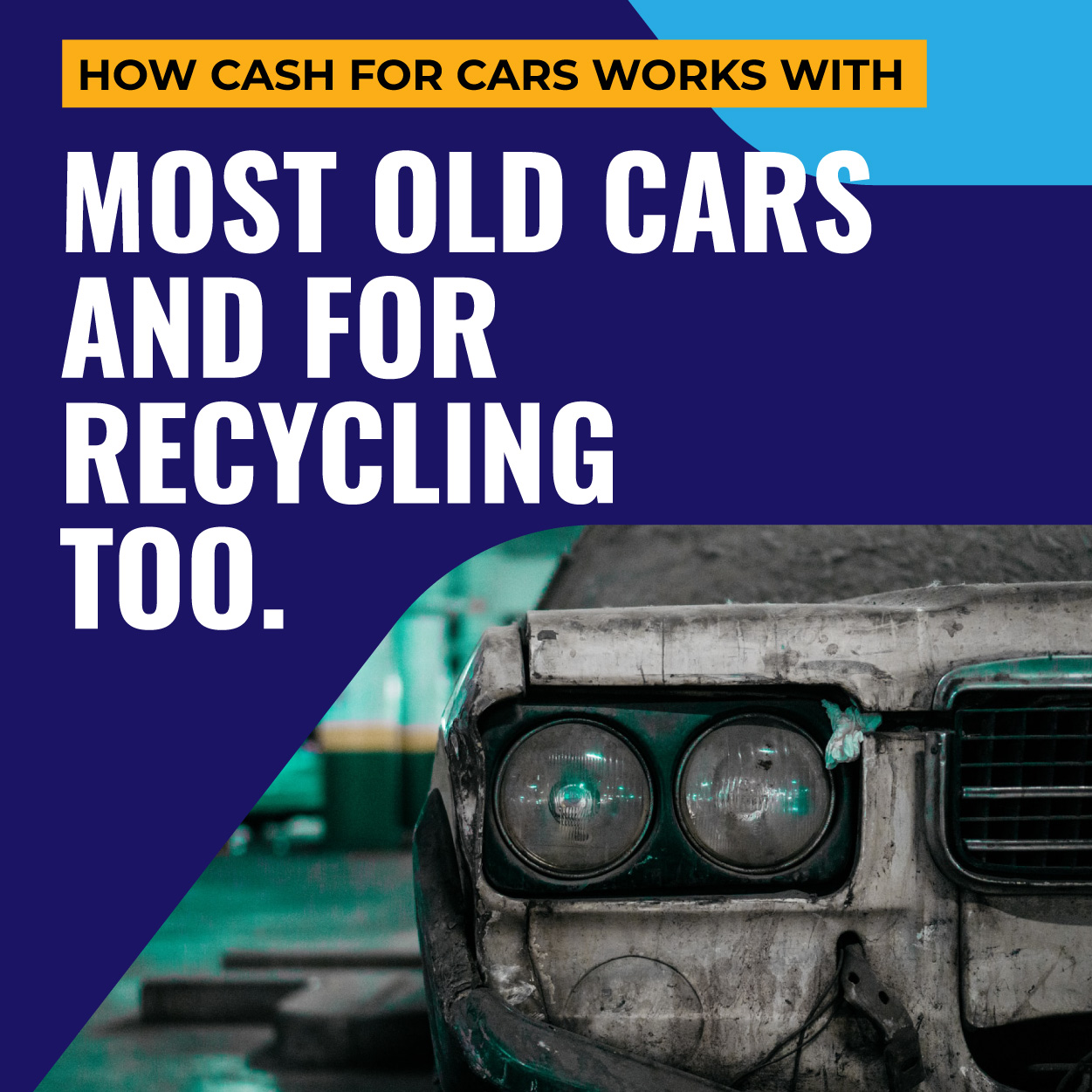
Cash for cars businesses may buy many types of vehicles. The exact types depend on the company and its buying rules. Common vehicles include old passenger cars, unwanted family cars, damaged vehicles, accident-damaged cars, unregistered vehicles, non-running vehicles, used 4WDs, vans, utes, older commercial vehicles, and vehicles with mechanical faults.
Some businesses also purchase vehicles that have been sitting unused for a long period. The age of a vehicle does not always decide whether it can be sold. Its make, model, condition, parts, metal content, demand, and location can all affect whether a buyer is interested.
The process usually starts when the owner contacts the buyer and provides information about the vehicle. Details can include the make, model, year of manufacture, registration status, vehicle condition, odometer reading, engine condition, accident history, missing parts, and the location of the vehicle.
Photos may also be requested. Clear photos of the exterior, interior, engine area, wheels, and damaged sections can give the buyer a better idea of the vehicle condition.
Accurate information is important. If the vehicle has major damage or does not run, the owner should mention it before the sale is agreed.
After receiving the vehicle details, the buyer may assess its condition and market factors. The assessment can include the age, make, model, condition, demand for parts, and current scrap metal rates.
A vehicle that has useful parts may have a different sale amount from one that has little resale or parts demand. A damaged vehicle can still have worth because several components may be reusable. These can include engines, transmissions, wheels, doors, mirrors, lights, electronic parts, and other mechanical or body components.
However, the condition of these parts must be checked before their condition can be given a monetary figure.
Once the available information has been reviewed, the buyer may provide a quote.
A quote is not always the final amount. If the vehicle has not been physically inspected, the final amount may change if its condition is different from what was described.
For example, a vehicle may be described as having minor damage, but an inspection may show major structural damage. Missing parts can also affect the final assessment.
Vehicle owners should ask whether the quoted amount includes collection costs and whether any other charges can be taken from the sale amount.
Some cash for cars businesses inspect the vehicle before completing the purchase.
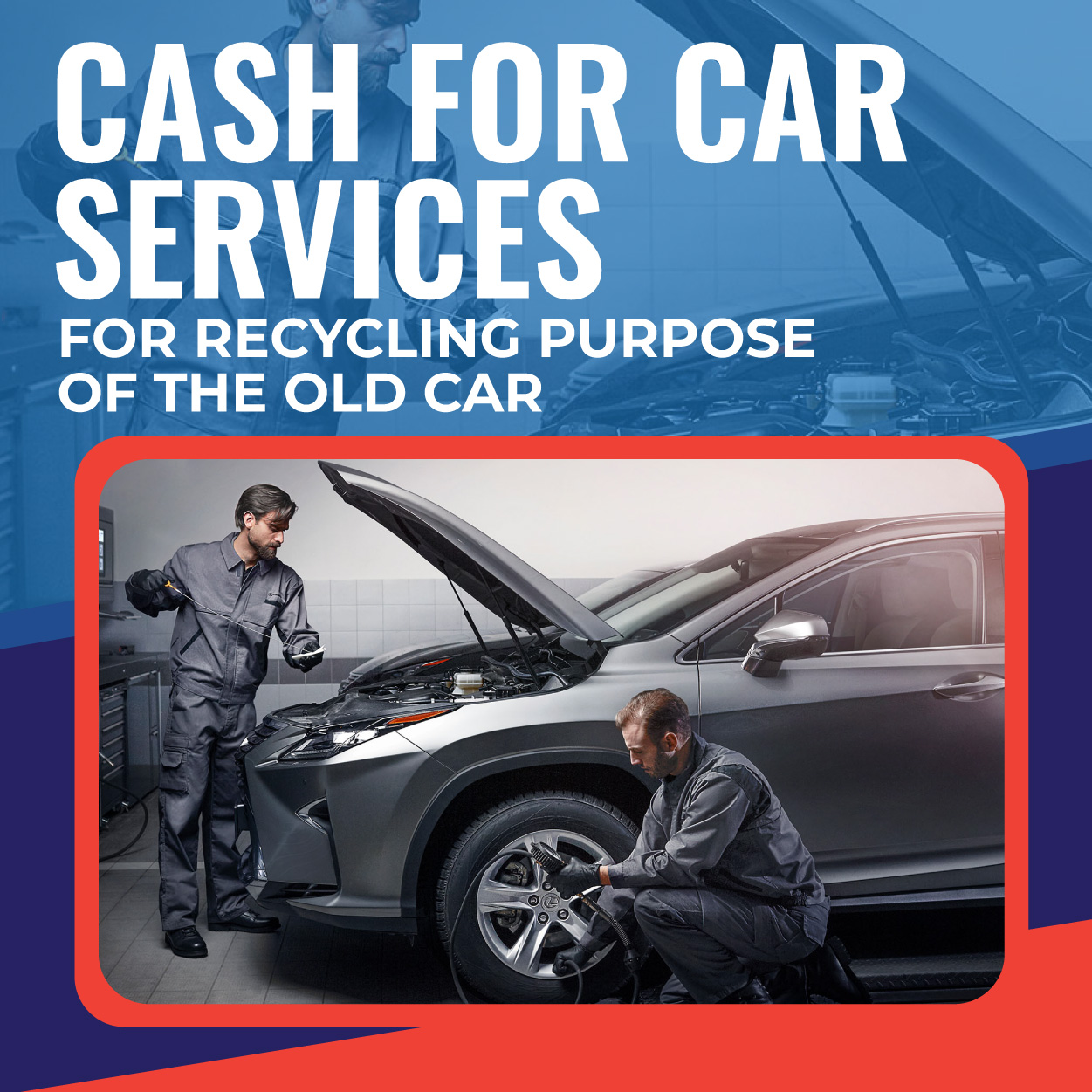
During an inspection, the buyer may check the body condition, engine, transmission, wheels, tyres, interior, electrical components, identification details, damage, and missing parts. Registration information may also be checked.
The inspection helps confirm that the vehicle matches the information supplied earlier.
For a non-running vehicle, the inspection may focus more on its physical condition, usable parts, damage, and metal content.
Vehicle ownership is an important part of any private vehicle sale.
The seller may need to provide documents that show their right to sell the vehicle. The exact documents depend on the state or territory and the circumstances of the sale.
Vehicle identification details should also match the relevant paperwork. The buyer may check the vehicle identification number and other details before completing the transaction.
In Australia, sellers should also follow the vehicle transfer or disposal requirements that apply in their state or territory.
For example, registration and transfer rules are handled by the relevant state or territory authority. The seller should check the current requirements that apply to their vehicle and location.
The next stage depends on the condition and type of vehicle.
A vehicle that still has usable components may be dismantled so that working parts can be recovered. These parts can then be used in other vehicles, depending on their condition and suitability.
Vehicles that are no longer suitable for use may be processed for scrap. Metals such as steel and aluminium can be recovered and sent into recycling streams.
Recycling helps recover materials from vehicles instead of sending all of the material to landfill. End-of-life vehicles contain large amounts of metal, along with plastics, glass, rubber, fluids, and other materials that need suitable handling.
The condition of an old vehicle has a direct effect on how a buyer assesses it.
A running vehicle may have more usable components than a severely damaged vehicle. However, a non-running vehicle can still contain parts that have a use in other vehicles.
For example, a damaged car may have a working transmission, wheels, mirrors, seats, lights, or electronic components. Another vehicle may have a failed engine but still contain usable body and interior parts.
This is why owners should provide accurate details rather than assuming that an old or damaged vehicle has no worth.
Scrap metal is another factor in the vehicle recycling process.
Most vehicles contain steel, aluminium, copper, and other metals. Steel is used in major parts of the body and structure, while aluminium can be found in some engine and body components. Copper is used in electrical wiring and other components.
Metal prices can change over time because they are affected by supply, demand, processing costs, and wider market conditions. This means the amount offered for a scrap vehicle can change between different periods.
The vehicle itself also matters. Two cars of similar age may have different amounts of recyclable material and different parts that can be recovered.
Owners in Canberra may have several reasons for selling an old or unwanted vehicle. A car may no longer suit the owner's needs, may require repairs, or may have remained unused for a long period.
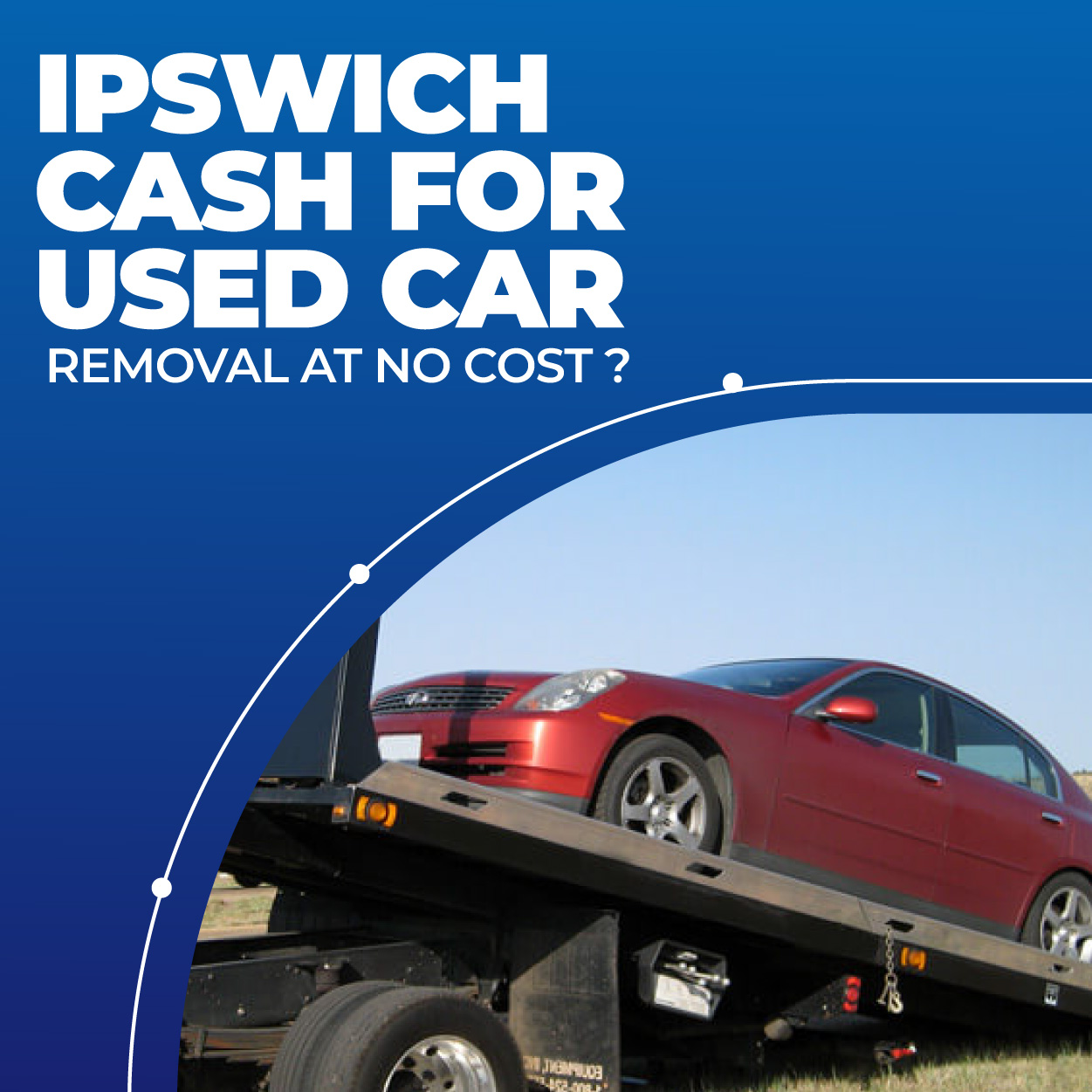
For owners who want to sell directly, canberra cash 4 cars provides a cash for cars service for old and unwanted vehicles. The service fits into the normal vehicle-selling process by assessing the vehicle, discussing its condition and sale amount, and arranging the next steps for collection. This can be useful for owners who have a vehicle that is no longer being used or cannot be driven and need a buyer to handle the vehicle sale.
Cash for cars services provide a direct way to sell old and unwanted vehicles. The process normally starts with vehicle details, followed by an assessment, quote, inspection, paperwork, sale agreement, collection, and payment.
The condition of the vehicle, its usable parts, recyclable metals, age, make, model, and current market conditions can all affect the amount offered. Even a vehicle that no longer runs may still have useful components or recyclable materials.
For vehicle owners, understanding each stage of the process helps them know what information to provide, which documents may be needed, and what to check before completing the sale.
20240419071523.jpg)